Escaping the Kitchen Plating Bottleneck
Traditional dinner parties can trap the host in the kitchen during the most critical moments of the evening. Attempting complex, individually plated plant-based meals for a crowd risks cold food and a stressed host. The final minutes of cooking directly compete with guest conversation, pulling the host away from the very people they invited over. Moving the assembly process to the dining table eases this logistical bottleneck.
The host prepares ingredients ahead of time and joins the guests as they build their own meals. Participation becomes part of the evening's entertainment. The meal begins the moment guests start assembling their plates, creating an immediate sense of community and shared purpose.
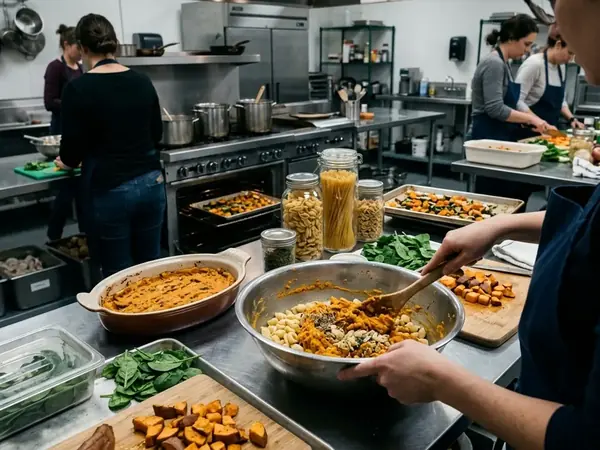
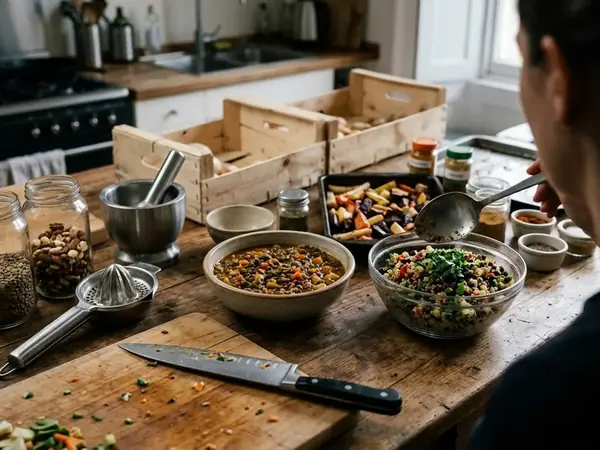
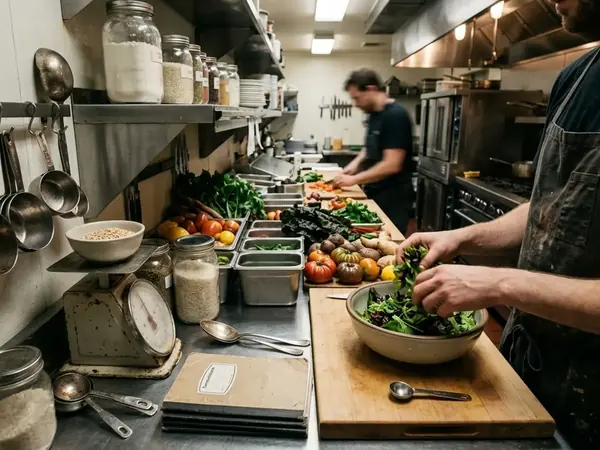
For a gathering of six to eight guests, set out the ingredients 10 to 15 minutes before eating. Choose components that can be washed, sliced, cooked, or mixed 2 to 24 hours ahead of time. This preparation window leaves only the final assembly and brief heating for the actual gathering. The host transitions from a frantic line cook to a relaxed facilitator. Guests arrive to a kitchen that is already clean and a dining room that is ready for activity, setting a calm tone for the evening.
Engineering a Vibrant Spring Roll Station
A fresh spring roll station relies heavily on the visual appeal of vibrant, raw plant ingredients. Arrange carrots, cucumber, and bell pepper in separate, colorful piles so guests can survey their options before wetting a wrapper. Place fresh mint, cilantro, and strips of marinated baked tofu beside the vegetables. Position the dipping sauce at the far end of the station to guide the flow of traffic naturally down the table.
Cut the vegetables and tofu into strips roughly 5 to 8 centimeters long. This length helps the ingredients fit across a typical rice-paper wrapper without creating bulky ends that tear the delicate paper. The crunch of the julienned bell pepper contrasts with the soft, savory profile of the baked tofu, while the fresh herbs provide an aromatic burst with every bite.
Mastering Wrapper Hydration
Set out a shallow dish of warm, non-boiling water at roughly 30 to 38°C. Dip each wrapper for 2 to 5 seconds, then allow it to soften on a damp work surface before filling. A long soak makes the delicate paper difficult to handle.
Give six to eight guests two water dishes and two damp rolling surfaces to reduce waiting at the station. The wrapper needs a quick dip but finishes softening on the board. Traditional Vietnamese rolling techniques take practice; at a home gathering, flavor exploration and participation matter more than uniform, tightly shaped rolls. The tactile experience of building the roll engages guests immediately and encourages experimentation with different flavor combinations.
Pacing the Meal with Hand-Rolled Maki
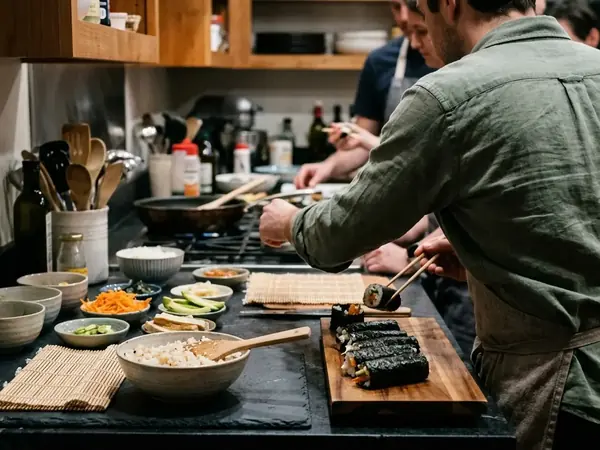
Plant-forward sushi construction offers guests a choice between a shared task and a simpler individual assembly. Offer both bamboo mats for maki and halved nori sheets for hand rolls. Place cooked tempura sweet potato, marinated shiitake mushrooms, avocado, and seasoned brown rice or quinoa within easy reach. The crispy texture of the tempura sweet potato pairs well with the umami-rich shiitake mushrooms.
Provide two or three bamboo mats for six to eight guests. Wrap each mat tightly in plastic wrap before service so the rice does not lodge between the wooden slats. Cut a full nori sheet in half for each hand roll. Set out small, individual bowls of fillings to keep the station organized and accessible from multiple angles.
Cool cooked rice promptly and refrigerate it until service. Replenish the station in small portions to maintain safe temperatures throughout the evening. Invite everyone to make and eat one roll before starting another. That deliberate pace keeps exposed nori from turning leathery and gives the table time to talk between bites. The nori should be filled and eaten promptly.
Coordinating the Flatbread and Mezze Workflow
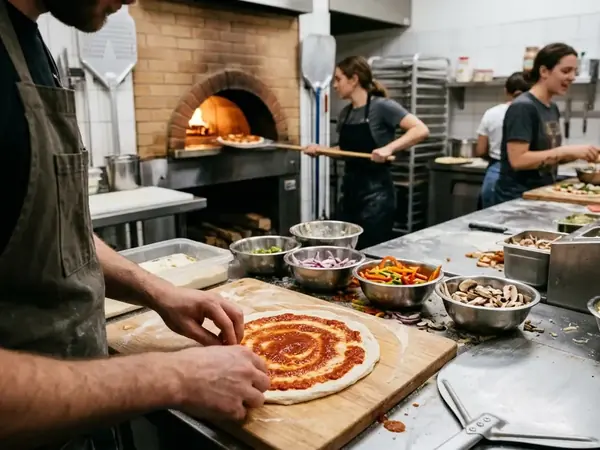
A Mediterranean-themed interactive dinner requires a clear workflow to manage the cooking times effectively. Make the topping station the first stop and the oven the second. Guests stretch individual pieces of dough, then choose from za'atar, cashew ricotta, caramelized onions, and roasted seasonal vegetables. The contrast of golden-brown baked edges against the roasted vegetables makes each flatbread different.
Portion the dough into pieces of roughly 100 to 150 grams and offer a lightly floured surface for stretching. Roast the vegetables and caramelize the onions earlier in the day. Keep wet toppings light so the center of a small flatbread can cook through completely.
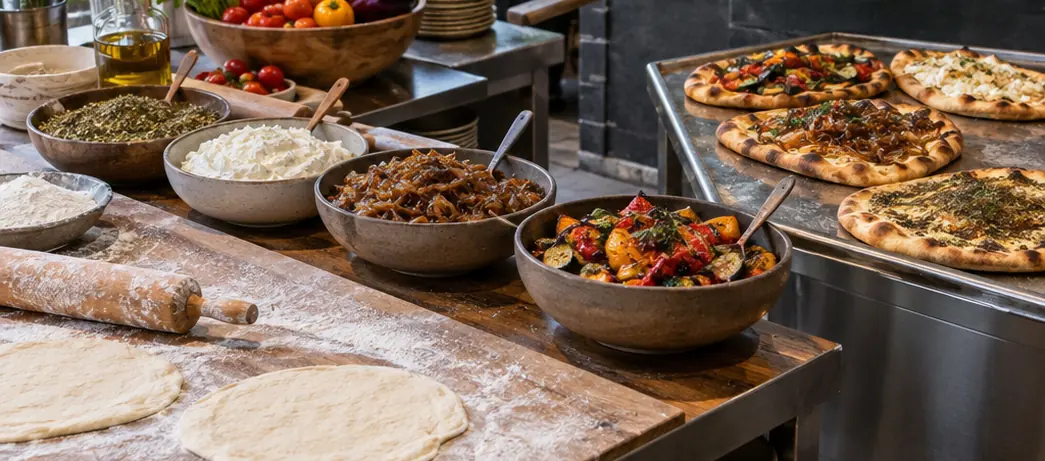
At 230 to 245°C, thin individual flatbreads commonly need 8 to 12 minutes in the oven. Leave ample space on the baking tray and check for browned edges and a cooked center. The flatbread needs a short trip from toppings to oven. A shared board of hummus, baba ganoush, and olives gives people something to eat while successive flatbreads bake. Different topping combinations and dough sizes let guests adjust flavor and appetite with each round. The continuous cycle of stretching, topping, baking, and eating keeps guests occupied between rounds.
The Effort-Based Valuation of Shared Dinners
The physical act of preparing food can change how we perceive its value. Rolling a spring roll or choosing a flatbread's toppings gives a guest direct ownership of the final result. A guest-made roll may feel more rewarding without any defensible claim that shared preparation makes plant-based food objectively tastier. Shifting the labor from the host to the group relieves stress—and gives guests an activity to share.
Give guests a small, complete task they can finish in one sitting, such as filling one spring roll, assembling one hand roll, or topping one flatbread. This approach lets everyone participate without feeling overwhelmed by culinary responsibilities. The shared activity provides an immediate topic of conversation. To ensure participation feels like a natural extension of the meal, keep the first assembly round to roughly 10–15 minutes.