Transforming the Traditional Dinner Party
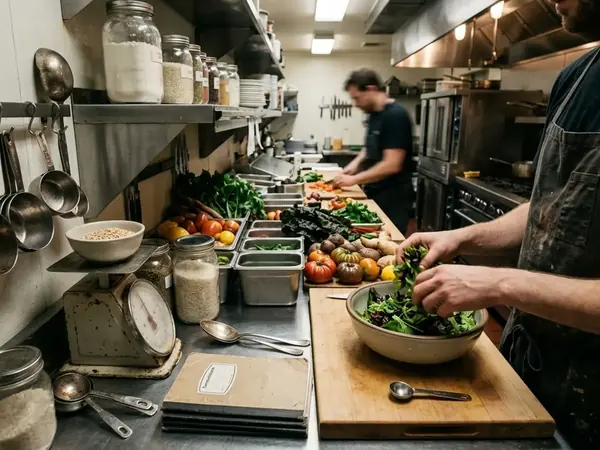
Hosting a dinner party often begins with a menu, but long-term experience revealed that the first true decision is the social structure of the evening. A collaborative task gives guests a shared objective before they even sit down. For a typical six-to-10-person dinner, the most useful interaction window is the first 20 to 35 minutes after arrivals.
I usually keep this first cooking task low-risk and short. Mixing a sauce, assembling toppings, or plating a shared starter takes just eight to 15 minutes. A host can prep chopped vegetables, cooked grains, sauces, and baking trays three to six hours ahead. This leaves only assembly or seasoning decisions for the guests.
Shared culinary activities create natural conversation prompts. Smell, texture, color, and memory can be discussed without requiring personal disclosure, which directly supports the psychological benefits of shared culinary activities.
Criteria for Selection: What Makes a Great Cooking Game?
The selection criteria for these activities were built from the constraints of a real home kitchen rather than competitive cooking television. Accessibility comes first. Mixed-skill groups usually include at least one person who rarely cooks.
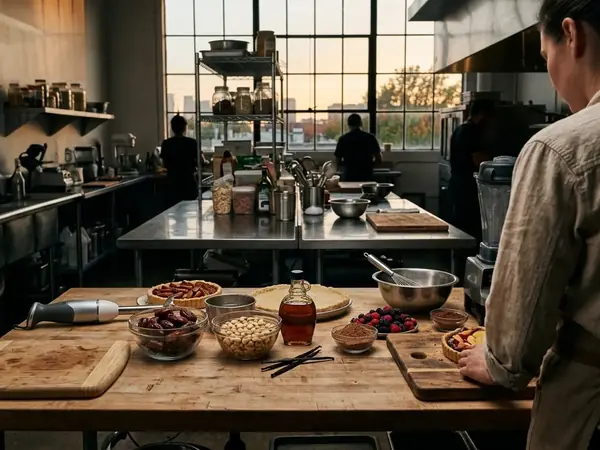
A dinner-party cooking game should be playable with standard tools. You only need two to three cutting boards, two chef’s knives, one or two sheet pans, mixing bowls, measuring spoons, tasting spoons, and a stovetop or oven. Skill demands should stay at the level of tearing herbs, whisking dressing, spreading sauce, or cutting soft produce into large pieces.
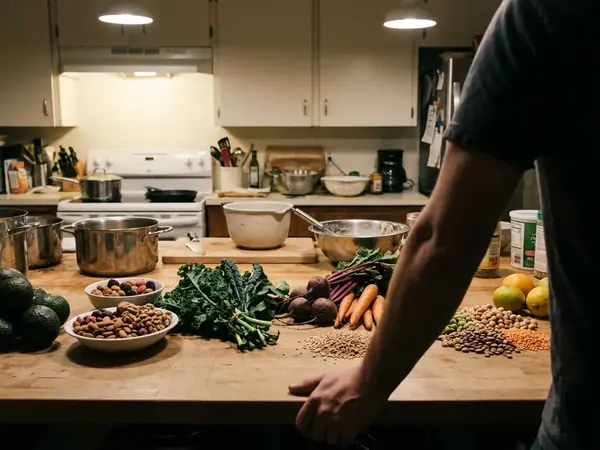
For six to eight guests, plan two to four people per team. Larger teams leave too many people watching instead of participating. Plant-based pantry items adapt well across games. Stock up on canned beans, lentils, tofu, tempeh, mushrooms, miso, tahini, citrus, nuts, herbs, roasted vegetables, and whole grains.
1. The Mystery Basket Challenge
The mystery basket creates instant momentum without requiring a complete recipe. Provide teams with three to four unexpected plant-based ingredients. Young green jackfruit, white miso, fresh mint, preserved lemon, smoked paprika, tahini, or roasted beets work beautifully.
Divide the party into small teams and assign them a specific course. Give teams roughly 20 to 30 minutes for an appetizer or side dish. Dessert baskets usually need closer to 30 to 40 minutes because chilling, baking, or blending may be involved. For a home kitchen, limit active heat use to one or two teams at a time and give other teams no-cook or oven-only tasks. Judging can use three plain-language categories: creative use of the basket, balance of flavor, and presentation on the plate.
Important: A mystery basket can fail if every ingredient is unfamiliar and no neutral base is provided. Guests need at least one anchor such as cooked grains, beans, flatbread, or roasted vegetables.
2. Blindfolded Flavor Guessing
Blindfolded flavor guessing slows the room down and introduces culinary education without becoming a lecture. Isolate specific flavor profiles by preparing small spoons of purees, spices, or unique plant-based ingredients.
Prepare eight to 12 tasting samples, each no larger than one teaspoon. This keeps the activity at about 12 to 20 minutes for a group of six to 10 guests. Use separate spoons or compostable tasting cups for each sample to avoid cross-contact and flavor contamination. Good plant-based samples include silken tofu cream, tahini, nutritional yeast, mushroom broth, aquafaba foam, roasted garlic paste, lime zest, smoked salt, and blended white beans.
Have guests take turns wearing a blindfold while tasting and attempting to identify the components. Removing visual cues heightens the olfactory and gustatory senses.
Field Note: Blind tasting is context-dependent. Allergies, texture aversions, religious dietary rules, and pregnancy-related restrictions can make surprise ingredients inappropriate even when the samples are plant-based. Collect allergy and restriction details five to seven days before the dinner, then repeat the ingredient list verbally before blindfolding begins.
3. Build-Your-Own Plant-Based Pizza Face-Off
The pizza face-off gives every guest a visible, edible outcome and tolerates different skill levels. Prepare a large batch of whole-wheat or gluten-free pizza dough ahead of time. Make or thaw dough four to 24 hours before the party. Cold-fermented dough should be brought to room temperature for about 45 to 75 minutes before shaping.
For eight guests, prepare four to six small dough rounds, each roughly dinner-plate sized, rather than two large pizzas that are harder to maneuver. Set out 10 to 14 toppings in small bowls. Cashew mozzarella, tofu ricotta, roasted mushrooms, caramelized onions, peppers, olives, arugula, basil, chili oil, pesto, tomato sauce, white bean spread, and roasted garlic offer excellent variety. Challenge guests to create the most visually appealing or unconventional flavor combination.
Bake small pizzas at a hot oven setting for eight to 14 minutes, depending on dough thickness, pan material, and topping moisture. In our testing, pizza games run smoothly in kitchens with oven capacity, but a single small oven may turn the activity into a waiting exercise unless crusts are par-baked or pizzas are made very small.
4. The 'No-Recipe' Recipe Swap
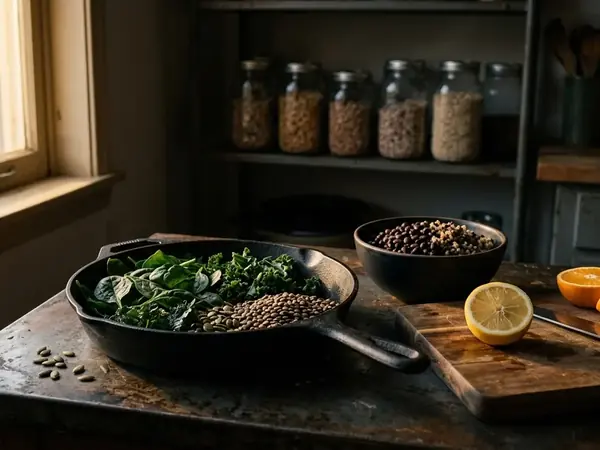
The no-recipe swap rewards observation instead of speed. Provide teams with a photo of a finished, complex-looking dish but withhold the actual recipe and instructions. Choose a reference dish with five to seven visible components. Stuffed peppers with lentils, herb sauce, toasted seeds, roasted tomato base, and pickled onions is a reliable choice.
Photograph the reference dish from the top and at a 45-degree angle so teams can study garnish, sauce thickness, and layering without seeing the recipe. Supply a pantry full of 12 to 18 potential ingredients. Include plausible red herrings such as coconut milk, smoked tofu, cornmeal, capers, or pumpkin seeds.
Task the teams with reverse-engineering the dish based purely on visual cues and culinary intuition. Give teams 25 to 45 minutes, depending on whether the original dish requires only assembly or includes stovetop cooking.
5. Culinary Trivia & Prep Relay
Combine nutritional science trivia with basic kitchen prep tasks to gamify the often-tedious mise en place phase of cooking. Teams must answer a food-related trivia question correctly before they can tag their partner to begin the next prep task.
Use six to 10 trivia cards and six to 10 prep tasks so the relay runs 18 to 30 minutes without exhausting the group. Safe relay tasks include tearing kale, rinsing canned beans, zesting citrus, peeling carrots, mashing avocado, whisking vinaigrette, stripping herb leaves, or arranging crudités. Avoid timed fine-dicing. If onions or hard squash are needed, cut them before guests arrive or assign the task to one confident cook outside the relay.
Trivia prompts can cover fiber sources, legume soaking, umami ingredients, whole-grain cooking, spice storage, and safe refrigerator temperatures.
Scope and Kitchen Safety Considerations
Interactive cooking changes the risk profile of a dinner party. A normal host may be the only person moving around hot pans, but a game introduces multiple cooks into the same space—a dynamic that requires clear boundaries. In a compact kitchen, keep only two to three guests in the active prep zone and rotate others through tasting, trivia, plating, or judging roles.
Create a clear hot zone around the oven and stovetop. One person should be responsible for loading and removing trays during each 10-to-20-minute cooking window. Establish ground rules regarding knife safety and hot surfaces before any game begins. Use color-coded or clearly labeled boards for allergen-sensitive items, raw produce, gluten-containing dough, and nut-based sauces.
Community feedback indicates that confirming dietary restrictions again before serving any shared sauce or mystery ingredient prevents cross-contamination. One catch: open-plan entertaining spaces handle simultaneous games better than narrow galley kitchens, where staggered stations are safer and less stressful.
Bringing It All Together
Follow-up visits support that guests remember participating, laughing, tasting, and creating together. For a first attempt, choose one game that occupies 20 to 35 minutes and place it before the main course rather than after dessert.
Prepare 60 to 75 minutes of behind-the-scenes host work before guests arrive. Washing produce, labeling allergens, portioning toppings, setting out tools, and clearing counter space ensures the event runs smoothly. End with a low-pressure vote, toast, or tasting round rather than formal scoring. This keeps the emphasis on connection instead of culinary perfection.
Bottom Line: Save photos of the winning pizza, basket dish, or reverse-engineered plate and send them to guests within one to two days as a natural follow-up.