Blending Culinary Joy with Nutritional Science
Hosting a dinner party that nourishes both the body and the mind requires a deliberate shift in perspective. You are designing a teaching meal rather than a lecture. The host starts with one approachable seasonal menu, then attaches a single nutrition idea to each course so guests learn through tasting.
My own journey into this format began with an 11-year tradition of hosting an annual Friendsgiving, a practice I started in 2005, well before the term hit Urban Dictionary in 2009. Over the years, the focus evolved from sheer volume to intentional nourishment. I rely heavily on the expertise of Sarah, registered dietitian and founder of WhyFoodWorks, to design menus that balance clinical health insights with approachable culinary education.
Long-term experience revealed that a useful course structure is one vegetable-forward starter, one customizable main, two shared sides, one fruit- or dairy-based dessert, and one unsweetened beverage option. For a 12- to 20-person home dinner, plan a 2.5- to 3.5-hour eating window. Allocate 25 to 35 minutes for arrivals, 75 to 100 minutes for the main meal, and 35 to 55 minutes for dessert, tea, or a donation activity.
Bottom Line: Use 3 to 4 educational talking points across the entire dinner, not one for every ingredient, so conversation remains social.
Mastering the Bar and Buffet Concept
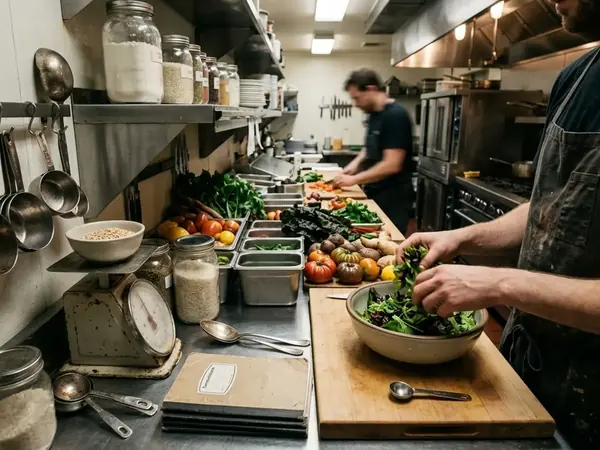
Plated dinners fail when the guest list crosses the point where you must track individual dietary restrictions. Choose the bar-and-buffet format instead. It is the ultimate meal service strategy for feeding large groups of up to 20 people.

The decision sequence is strict: pick a neutral base first, then separate the toppings. A buffet stops being inclusive when the base contains butter, broth, wheat, or cheese; guests with restrictions then have to build dinner from toppings. A grain-bowl bar suits mixed dietary needs better than a casserole when the guest list includes both vegans and lactose-sensitive diners.
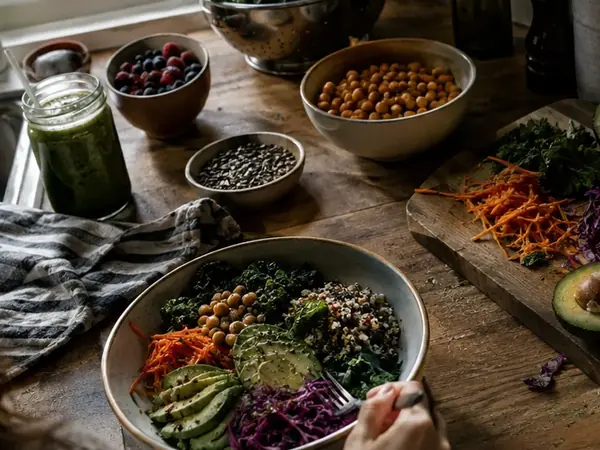
Set out 2 base options, 2 protein options, 4 to 6 vegetable toppings, 2 sauces, and 1 crunchy garnish. This gives variety without turning the table into an unmanageable assembly line. A Southwest baked-dish spread can use corn tortillas or roasted sweet potatoes as the base, black beans and shredded poultry as separate proteins, salsa verde and avocado-lime crema as sauces, and dairy cheese in a separate bowl. Alternatively, a 'Brunch for Dinner' layout can include baked eggs, roasted mushrooms, millet or potato cakes, greens, fruit, and a gluten-free quick bread, with yogurt, nuts, and maple syrup held separately.
Place plates at the start, bases next, proteins third, vegetables fourth, sauces fifth, and garnishes last. This specific order reduces rework because guests do not have to reach backward across hot dishes.
The Science of Smart Ingredient Substitutions
Evaluate substitutions by function, not by reputation. Fat, water, acid, protein, starch, and fiber each do different work in a recipe. A healthy swap is selected only after identifying what the original ingredient actually accomplishes.
This functional approach is a core theme of the RecipeRedux community. Take their famous vegetarian cauliflower gravy. It works best when cauliflower is cooked until a fork slides through with little resistance. You then blend it while hot with Soom brand tahini, olive oil, salt, pepper, and a splash of cooking liquid until it moves like pan gravy. The tahini and olive oil provide a rich, healthy fat content without relying on meat drippings.
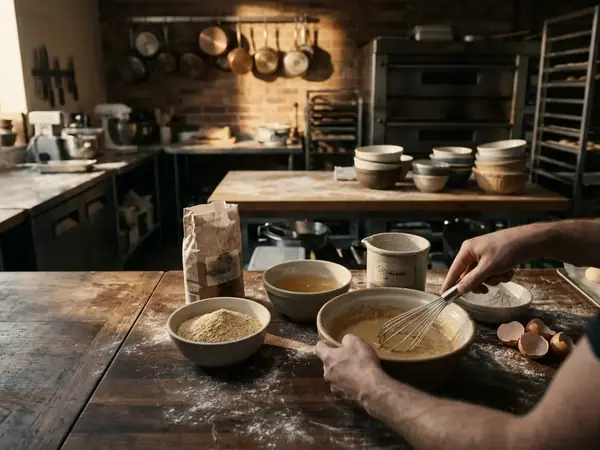
Baking science requires similar precision. Applesauce can replace part of the oil in quick breads because apple pectin and water interfere with gluten development. For biscotti or quick bread, add applesauce with the wet ingredients and expect a softer crumb and slightly shorter shelf life than a full-oil version.
Important: Replacing all oil with fruit puree in a baked good can produce a gummy center, especially in dense loaves that bake longer than muffins. The best texture usually comes from replacing a portion of the oil rather than removing all fat.
High-protein strained yogurt contributes moisture and acidity in muffins or tea breads. Pumpkin puree contributes water, fiber, orange color, and earthy sweetness, but it can mute delicate flavors such as vanilla or citrus zest.
Strategic Sourcing and Local Procurement
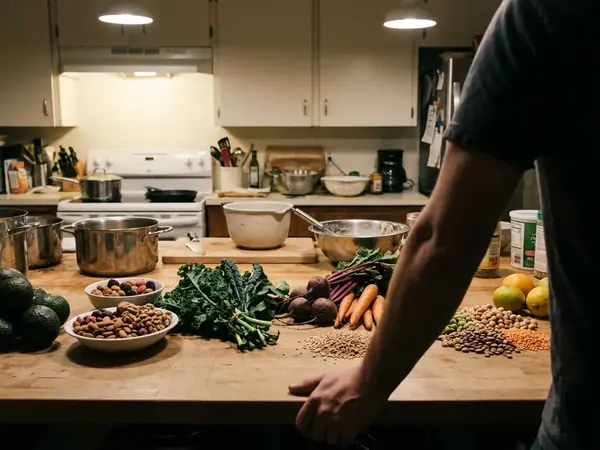
Build the procurement plan backward from the meal time. Shelf-stable grains, tea, spices, and serving supplies are bought first. Hardy produce and specialty items come next. Delicate herbs, leafy greens, and fresh proteins are secured last.
For a Saturday dinner, confirm the menu by Tuesday evening. Buy pantry goods on Wednesday. Collect produce Thursday between late afternoon and early evening. Prep hardy vegetables Friday, and reserve final herb washing and reheating for Saturday.
Community Supported Agriculture (CSA) models, like the DC-based From The Farmer, are excellent for obtaining high-quality, seasonal produce. A community-supported produce box is most useful when the menu has 2 flexible slots, such as 'roasted seasonal vegetable' and 'raw crunchy salad,' because exact crops can change with field conditions.
Adapting to supply chain realities is a necessary skill for any host. During the 2015 avian flu disruption, which severely affected turkey supplies as noted by the National Turkey Federation, hosts pivoted. They reduced reliance on whole turkey by serving Cornish game hens, salmon, lentil loaf, or mushroom-based mains. The menu risk was moved from one large bird to several smaller proteins.
Specialty market runs should be limited to roughly 6 to 10 targeted items. Focus on aged cheese, gluten-free grains, fresh herbs, olives, bittersweet chocolate, or ceramics-safe serving candles to prevent budget creep.
Navigating Dietary Needs with Nutritional Science
Handle dietary needs by translating restrictions into serving design. Vegan, gluten-free, lactose-sensitive, and heart-health preferences are mapped onto separate components, then the nutrition lesson is layered on top.
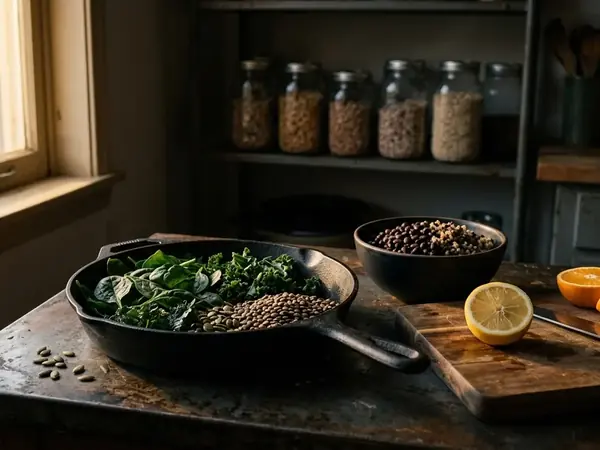
Educate guests on macronutrient balance and nutrient absorption. Add lime juice, citrus salsa, or bell pepper to bean, lentil, or leafy-green dishes. The vitamin C improves iron absorption from non-heme plant foods.
Dairy digestion relies on the lactase enzyme to process milk sugars. Natural aging and draining reduce lactose in firm cheeses like Cabot Farmhouse White Oak Cheddar. Milk, cream sauces, and fresh soft cheeses remain more likely to bother lactose-sensitive guests. There is one catch specific to dairy sensitivities: aged cheese may still be unsuitable for guests with milk-protein allergy, even when lactose is very low.
Gluten-free whole grains offer excellent structural alternatives. Millet can be cooked into a firm crust for savory tarts or quiches. Chill the cooked grain before pressing it into the pan so it compacts instead of smearing.
Avocado supplies mostly monounsaturated fat and helps carry fat-soluble flavors in salsa, toast toppings, and grain bowls. Serve brewed black, green, or oolong tea unsweetened or lightly sweetened after the main course. It gives guests a lower-sugar beverage option and creates a natural pause before dessert.
Weaving Education and Community into the Experience
Add community meaning after the menu is stable, not before. The host first confirms the meal flow, then chooses one non-food layer: a pantry donation, a short wellness reflection, or a tableware story.
A multi-year collaboration with local organizations like Manna Food Center demonstrates how a dinner party can extend beyond food. You can incorporate a charitable donation aspect into the gathering, supporting initiatives like their Smart Sacks program directed by Kevin.
Field Note: A practical donation prompt is 1 shelf-stable item per guest, requested 5 to 7 days before the meal. Beans, nut butter, low-sodium soup, whole-grain pasta, and boxed cereal are easier to sort than mixed perishable items.
Community feedback indicates that if a local food bank has a weekend backpack program, you should ask for its current priority list before assigning guests what to bring. Needs often shift between protein foods, breakfast items, and easy-open containers.
Integrating educational themes elevates the evening. A wellness theme, such as exploring the Koshas with instructors like Michael during wellness retreats, can be introduced in 4 to 6 minutes before the meal. Use a simple prompt such as noticing body, breath, energy, thoughts, and sense of connection.
Finally, the physical elements of the table matter. Handmade ceramic plates, bowls, or serving pieces work best for family-style meals when they are placed under dry or moderately moist foods rather than under very acidic sauces for long holds.