Building Your Plant-Based Culinary Foundation
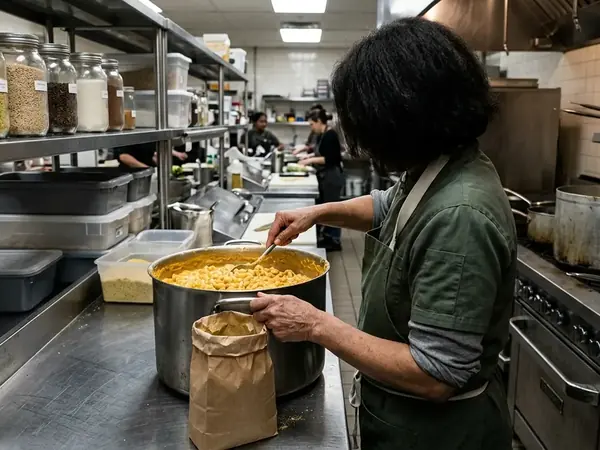
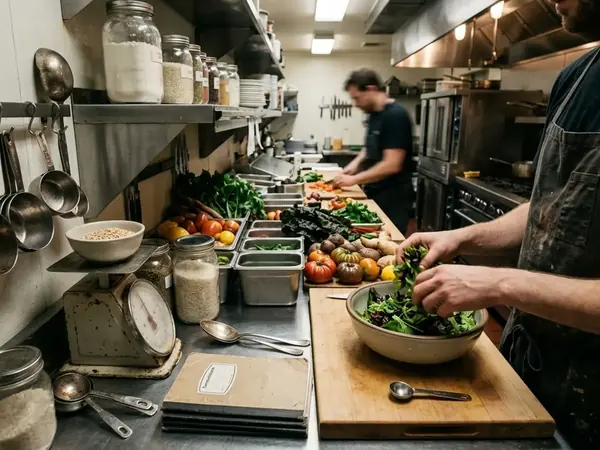
I spend a lot of time in community kitchens observing how people cook. The most common mistake I see isn't a lack of skill. It is a kitchen setup fighting against the cook. When we publish recipes at WhyFoodWorks, we frame the kitchen foundation around repeat plant-based tasks rather than a long shopping list. You need to soak legumes, simmer beans, process vegetables, and bake high-moisture loaves.
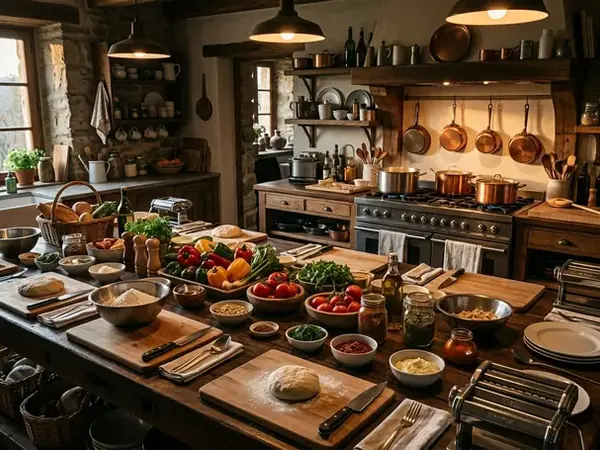
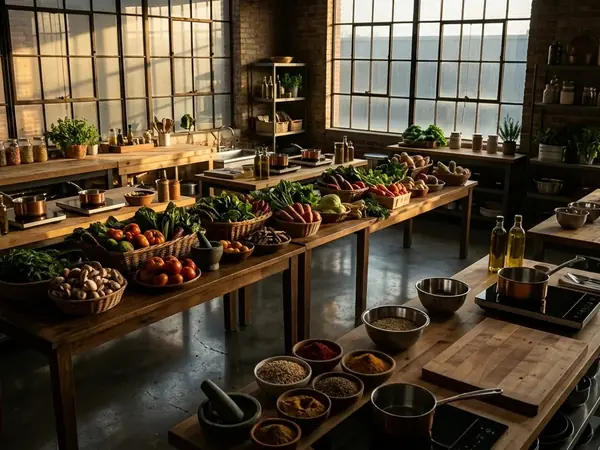
A practical starter setup relies on four distinct zones. You need a heat zone for simmering, a prep zone for chopping and pureeing, a baking zone for cooling and crumb control, and a dry-storage zone for grains, legumes, spices, and alternative flours.
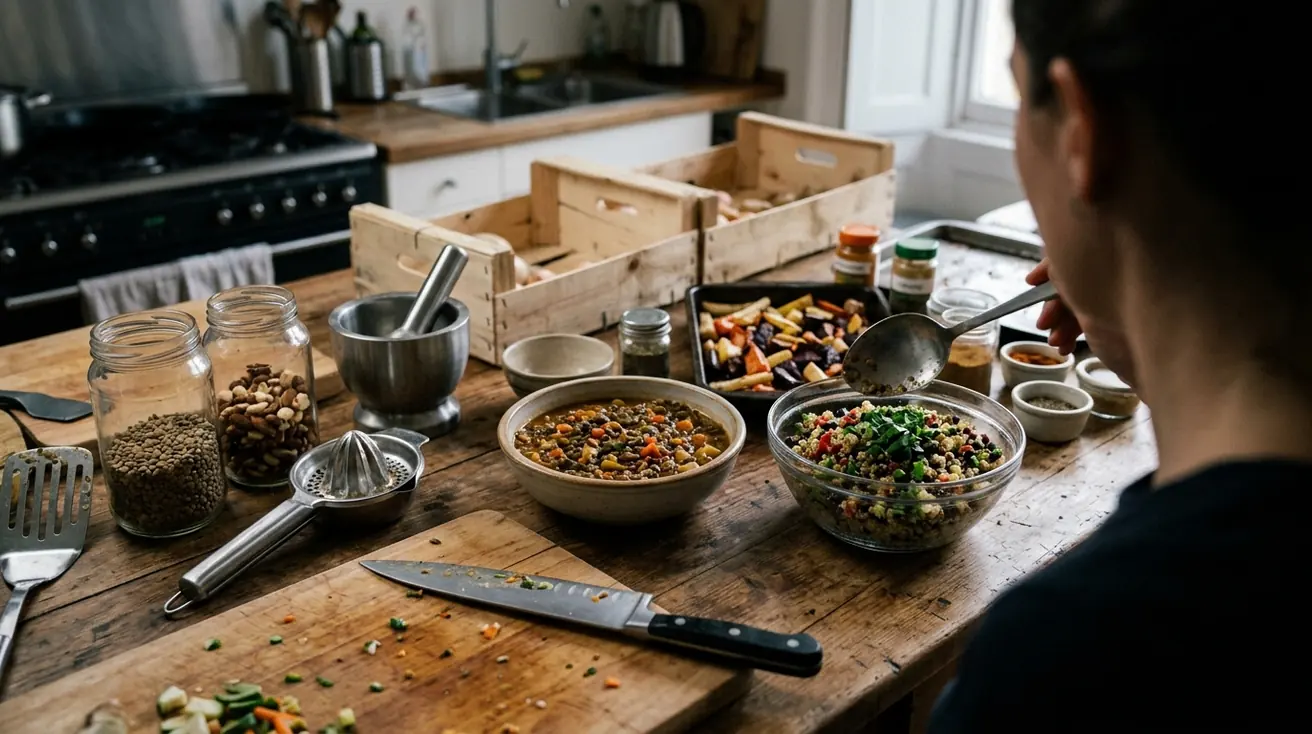
For a household cooking three to five plant-forward dinners per week, the highest-use staples are usually dry lentils, canned or cooked beans, rolled oats, brown rice, quinoa, whole-wheat or gluten-free flour blends, nuts or seeds, nutritional yeast, vinegar, and eight to 12 frequently used spices.
What Core Cookware Do You Need for Plant-Based Meals?
The cookware choice starts with moisture-heavy plant foods. Beans, tomato sauces, braised greens, and no-knead doughs need even heat and enclosed steam more than fast searing. Enameled cast iron is the ideal vessel here. Brands like Le Creuset require no seasoning and handle acidic tomato sauces beautifully.
A 5.5- to 7.25-quart enameled cast-iron Dutch oven is large enough for a 1-pound dry-bean batch, a family-size vegetable stew, or a round no-knead loaf without crowding the pot. Long-fermentation no-knead breads commonly sit for 12 to 18 hours before baking. The covered cast-iron pot traps steam during the early bake and helps set the crust before the interior dries out.
You also need wire cooling racks. For moist quick breads or whole-grain loaves, cooling on a wire rack for roughly an hour to an hour and a half before slicing reduces bottom condensation and gives starches time to firm.
Which Prep Tools Maximize Kitchen Efficiency?
Many home cooks try to do everything with a chef's knife. A better alternative is letting a machine handle the repetitive friction of weekly cooking. A 7-cup food processor, like the Cuisinart DLC-10SY 7-cup Pro Classic, sits in the useful middle. It is large enough for hummus, bean spreads, shredded vegetables, and sauce bases.
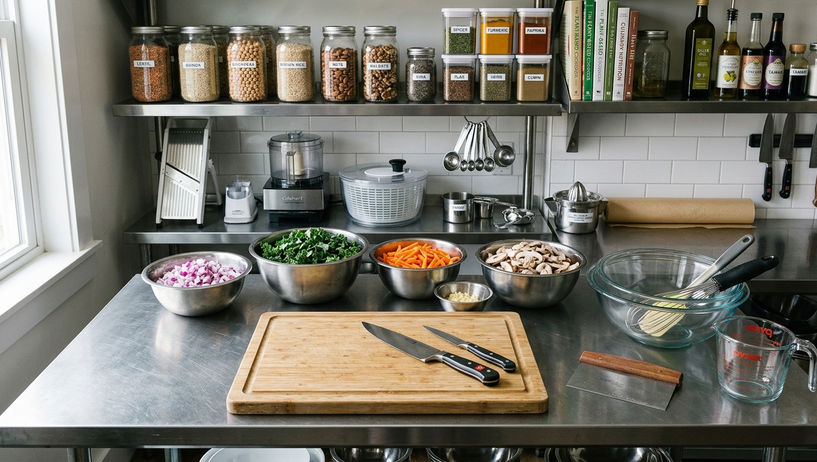
A 7-cup bowl capacity handles roughly three to four cups of cooked chickpeas for hummus or five to six medium carrots for shredding without requiring several small batches. Technique matters just as much as the tool. A food processor that is excellent for hummus can overwork gazpacho in under 20 seconds of continuous blending; pulse timing matters when chunky texture is the goal.
Field Note: For chunky gazpacho, use six to 10 one-second pulses, scrape the bowl once, then pulse two to four more times. This usually leaves visible tomato, cucumber, and pepper pieces instead of a foamy puree.
Megan, an instructor who splits her time between Sculpt360 and the local SculptDC yoga and cycling studio, recently asked me how to speed up her Sunday meal prep. I recommended upgrading her measuring tools and spice storage. Morgenhaan stainless measuring cups and spoons with etched markings are preferable because printed markings often fade after repeated dishwashing, especially when used with oily nut butters, vinegar, or tomato paste.
Inside the pantry, a 10- to 12-inch turntable in a deep cabinet can hold 12 to 18 standard spice jars. Rotating the tray prevents back-row jars from expiring unused.
Plant-Based Kitchen Starter Checklist
- Choose a 5.5- to 7.25-quart enameled cast-iron Dutch oven for beans, sauces, stews, and no-knead bread.
- Add wire cooling racks for high-moisture loaves, muffins, and roasted vegetables.
- Use a 7-cup food processor for hummus, bean spreads, and shredding vegetables.
How Do You Choose the Right Flours and Grains?
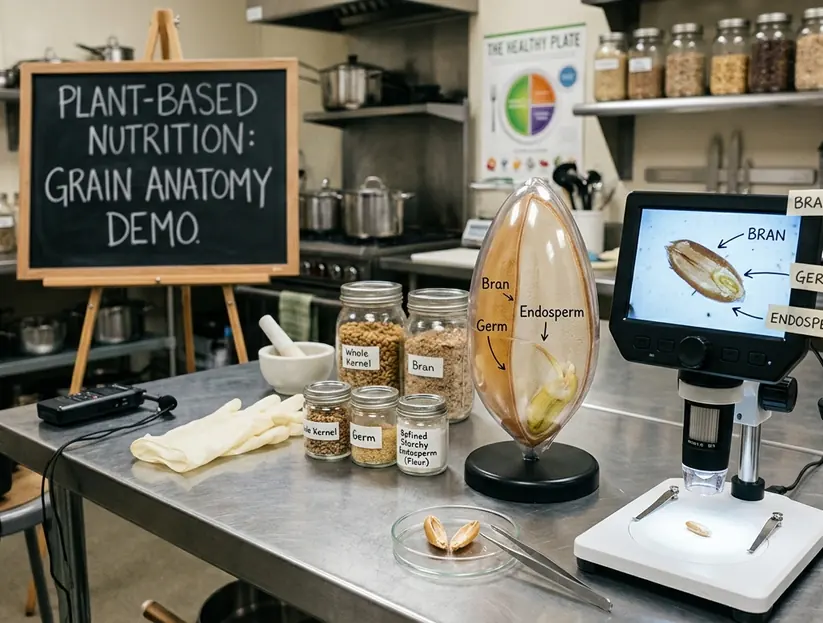
The grain discussion begins with anatomy because flour behavior follows structure. The endosperm is the starch-dominant interior used for white flour. The bran is the outer layer containing fiber and B vitamins. The germ is the embryo portion containing vitamin E and naturally occurring oils.
During a recent ABC7 television segment, I demonstrated how to incorporate ancient grains into everyday meals. Quinoa is treated as a complete-protein grain-like seed because it contains all nine essential amino acids. It typically cooks in 15 to 20 minutes after rinsing.
Important: Whole-grain flour that tastes nutty in the first month can turn bitter after warm pantry storage because germ oils oxidize faster than refined flour.
Whole-grain flours with intact germ are best stored airtight and cool. For frequent home baking, buying amounts that will be used within six to 10 weeks helps avoid stale flavors.
If you need a structured crumb binder in savory loaves or vegetable patties, ground gluten-free cracker crumbs work exceptionally well. Start with 1/4 to 1/3 cup crumbs per two cups cooked beans or vegetables, then rest the mixture for 10 minutes before shaping.
What Are the Best Plant-Based Baking Substitutes?
The baking substitute strategy starts with the job the original ingredient performs. Oil carries fat and tenderness. Applesauce brings water, pectin, mild acidity, and sweetness, so it can replace part of the fat in a recipe.
For homemade applesauce, simmer cored, chopped skin-on apples with two to four tablespoons of water per two pounds of fruit for 18 to 25 minutes. Mash the mixture for a rustic texture or puree it for smooth batter use. Firm-sweet apple varieties such as late-season red or striped dessert apples hold enough aroma after cooking. Tart-firm varieties give better balance when the batter also contains dates, maple syrup, or bananas.
A full oil-to-applesauce swap can make brownies, muffins, or loaf cakes rubbery because applesauce adds water and pectin but not the same shortening effect as fat. A conservative baking swap is to replace one-half of the oil with unsweetened applesauce first. For a recipe calling for 1/2 cup oil, test 1/4 cup oil plus 1/4 cup applesauce before attempting a full replacement.
When selecting cultured yogurt for baking or sauces, look for live active cultures and a short ingredient list. Siggi's Dairy, founded around 2010, is a great example. Avoid formulas where gelatin, starches, gums, or carrageenan are doing most of the thickening. I shared this tip with a client who runs Manicures N Motion, and it completely changed how she preps her morning muffins.
Understanding the Scope and Limitations of Substitutions
Substitution guidance requires careful attention because plant-based baking fails most often when ingredients are matched by volume alone. Wheat flour, almond flour, oat flour, and chickpea flour all absorb liquid differently. Bob's Red Mill provides reliable flour substitution and conversion guides to help navigate these differences.
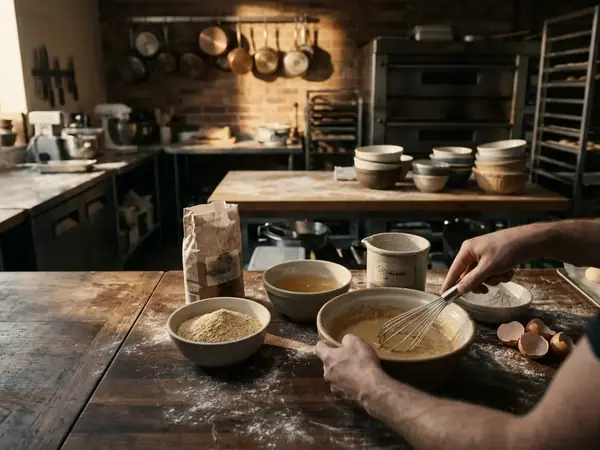
Gluten-free batters often need a rest of 20 to 30 minutes before baking so starches and fibers can hydrate. Skipping that rest can leave a sandy texture even when the formula is otherwise sound. For many quick breads, a first test batch should be half-size in an 8-by-4-inch loaf pan or 6-muffin tin so texture problems are caught before wasting a full recipe.
When adapting recipes for medical needs, ingredient swaps alone are not enough. Gluten-free adaptations for someone with Celiac disease need strict cross-contact controls in addition to recipe conversion; ingredient swaps alone are not enough. Use certified gluten-free flours, clean measuring tools, separate opened spreads or nut butters, and avoid shared toasters or cutting boards that may hold wheat crumbs.
Mastering Your Plant-Based Kitchen Setup
The final setup emphasizes a small number of reliable pieces because plant-based cooking rewards repetition. A realistic first-month buildout is five durable tools: an enameled Dutch oven, a food processor, a wire cooling rack, a stainless measuring set, and a cabinet turntable.
A manageable pantry rotation starts with six to eight dry staples rather than dozens. Stock one quick-cooking lentil, one bean, one whole grain, one ancient grain or seed, one everyday flour, one alternative flour, one nut or seed, and one umami seasoning.
Bottom Line: Confidence improves fastest by repeating two or three base recipes over four to six cooking sessions while changing only one variable at a time.
Start with a simple lentil soup, a batch of hummus, and a reliable quick bread—master the basics, trust your tools, and enjoy the process of building your culinary foundation.