Criteria for Selection: Speed, Fiber, and Flexible Proteins
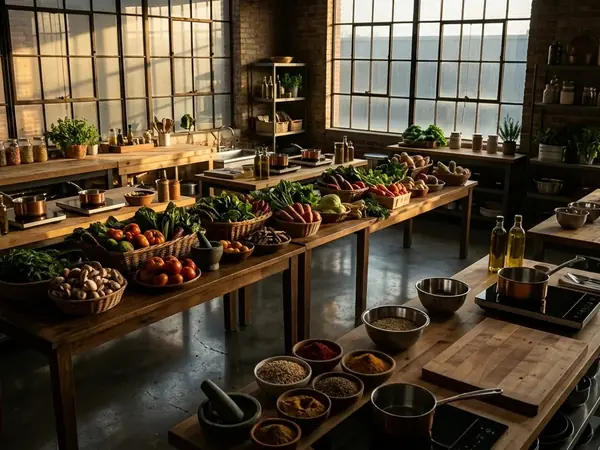
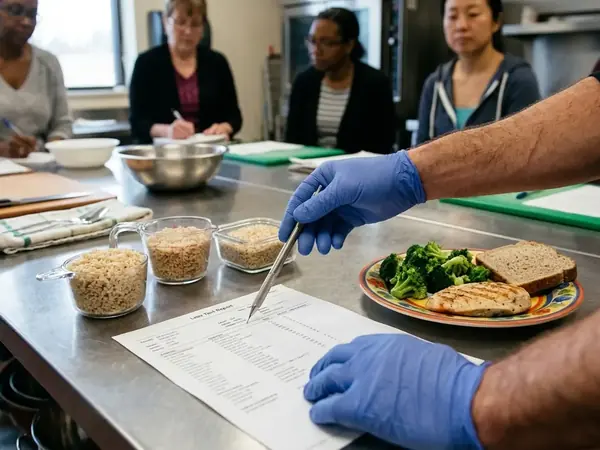
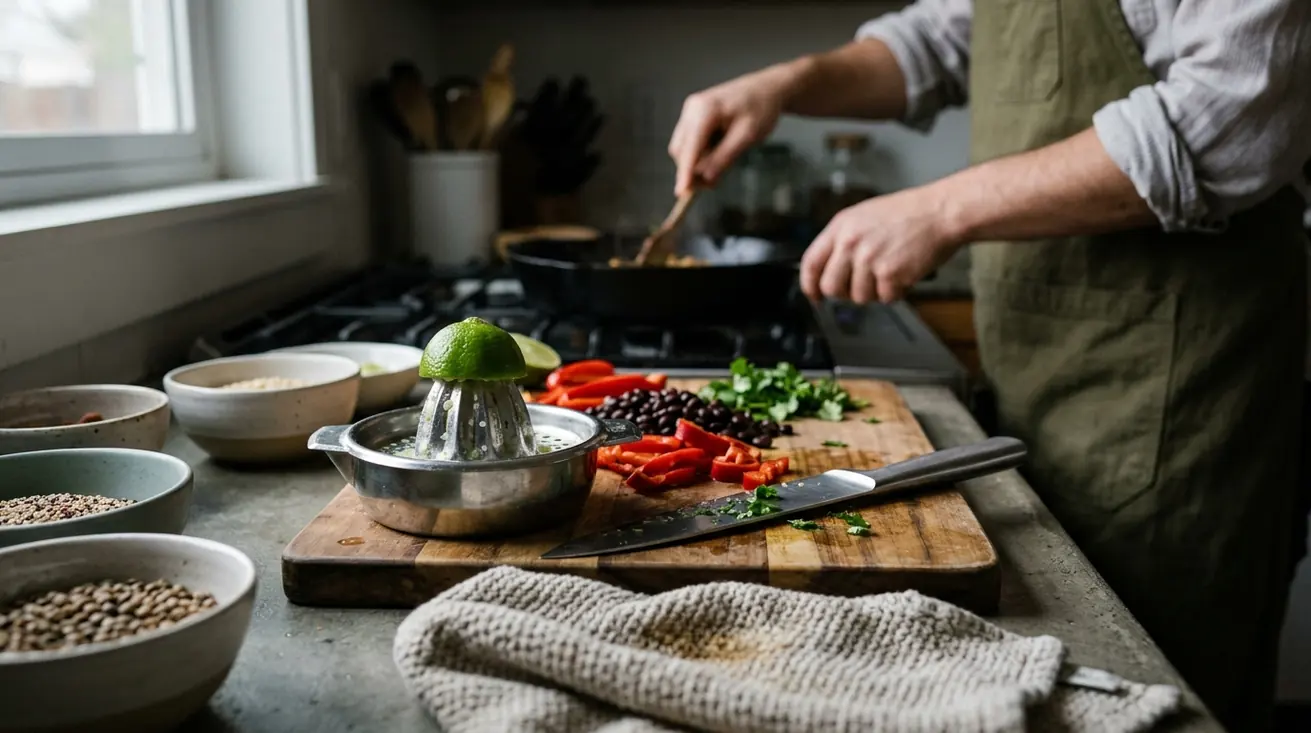
Community feedback indicates that the hardest part of healthy eating is rarely the nutrition science. It is the 5 PM scramble. The selection of these meals starts with weeknight friction—dishes were prioritized when they could move from pantry or refrigerator to table in roughly one school-night cooking window. A practical weeknight cutoff is 20 to 45 minutes total time, with just 10 to 25 minutes of hands-on prep before the oven, skillet, or blender does most of the work.
We anchor these choices in a plant-forward approach. This means building meals rooted in vegetables, particularly cruciferous family members like broccoli and cabbage that are rich in cancer-fighting phytonutrients. The list includes flexible pescatarian and vegetarian options to accommodate different households. The Mediterranean diet serves as the foundational eating pattern linking these meals to health and longevity.
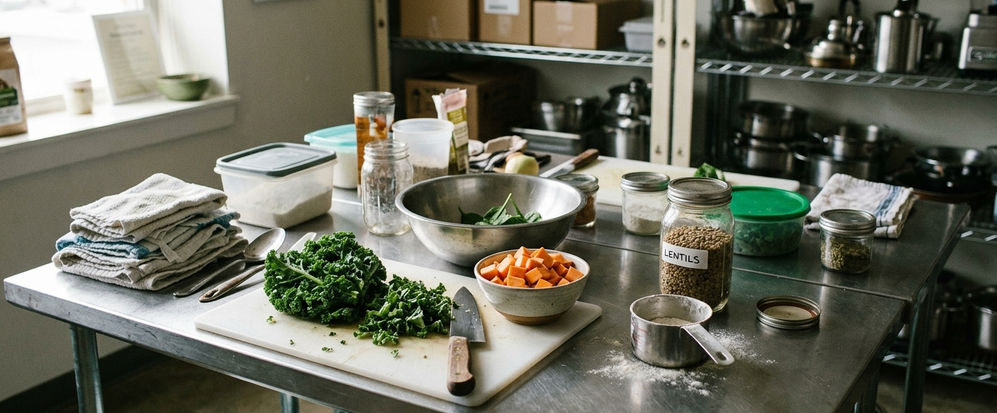
A dinner protein target of roughly 20 to 35 grams is a useful planning range for many adults trying to preserve lean body mass. You can easily hit this mark when the meal is built from tofu, beans, eggs, fish, dairy, or whole grains. Fiber-forward dinners in this list generally aim for 8 to 14 grams of fiber from beans, cruciferous vegetables, squash, kale, farro, whole-grain pasta, seeds, or vegetable-heavy soups.
Field Note: For egg-free binding in plant-based recipes, mix 1 tablespoon of chia seeds with 3 tablespoons of water. Let it rest for 8 to 12 minutes to form a gel suitable for patties. Alternatively, 2 to 3 tablespoons of tahini can bind chickpea mixtures while adding healthy fats and a rich sesame flavor.
Plant-Powered Patties and Loaves
People often assume plant-based patties require complex culinary techniques. Long-term experience revealed a simpler truth: you just need the right binder and a bit of patience. The patties and loaves below solve a common weeknight problem by converting soft, crumbly, or canned proteins into portioned servings that cook evenly and reheat cleanly.
1. Vegetarian Mini Meatloaf
A 14 to 16 ounce block of firm tofu serves as the base. Wrap the tofu in a clean tea towel and press it by hand over the sink for 45 to 75 seconds to remove excess water. Portion the mixture into 8 to 10 wells of a standard muffin tin for quick, even baking. Mini tofu loaves generally bake well at 375°F for 18 to 24 minutes. A 5-minute rest helps the centers firm before removal from the tin.
2. Chickpea & Olive Patties
One drained 15-ounce can of chickpeas combined with 2 to 3 tablespoons of tahini usually makes 4 dinner-size patties. The tahini acts as a sturdy binder. Fold in chopped California Ripe Olives for a dose of healthy fats. Chilling the formed patties for 8 to 12 minutes reduces cracking in the skillet.
3. Loaded Salmon Cakes
This pescatarian option utilizes pantry staples beautifully. Canned salmon cakes hold together with 1 large egg and 1 to 2 tablespoons of coconut flour per 5 to 6 ounce can of salmon. A 5 to 8 minute rest lets the coconut flour hydrate before cooking. The canning process softens salmon bones, making them an excellent source of calcium. A 3-ounce serving commonly contributes roughly 180 to 250 milligrams of calcium, depending on the pack style and how much bone is retained.
Effortless Soups and Casseroles
Low intervention is the goal here. These recipes minimize active cooking time by relying on raw produce or shelf-stable ingredients.
5. Chunky Market Veggie Gazpacho
Think of this cold summer soup as a savory vegetable smoothie. It works best with 6 to 8 cups of high-water vegetables such as tomatoes, cucumber, bell pepper, celery, and onion. Add your acid and olive oil after the first blend. Pulse-blending in 8 to 12 one-second bursts keeps the soup closer to a spoonable texture instead of a thin juice, preserving visible vegetable pieces and the crucial fiber-rich pulp.
Skipping the blanching process removes a 10 to 15 minute pot-boiling and ice-bath step. This shortcut is perfect when tomatoes are ripe enough that their skins blend into the soup without tasting tough. Raw gazpacho tastes bright with ripe summer tomatoes but may need canned tomatoes, extra vinegar, or a small amount of tomato paste when produce is out of season.
6. Dump & Bake Vegetable Casserole
The dump-and-bake method requires no pre-cooking, sautéing, or chopping. Build the casserole from 8 to 12 ounces of whole-grain short pasta, 2 to 3 cups of broth or tomato sauce, and 2 to 3 Libby’s shelf-stable vegetable pouches in a 9-by-13-inch baking dish. The casserole typically needs 35 to 45 minutes covered at 375°F, followed by 8 to 12 minutes uncovered if a drier, lightly browned top is desired.
We tried swapping in quick-cooking pasta to save ten minutes, but it failed completely. A dump-and-bake pasta casserole can turn gummy if quick-cooking pasta is substituted for standard whole-grain pasta without reducing liquid or bake time. Stick to the standard whole-grain variety for the best texture.
Nutrient-Dense Salads and Skillets
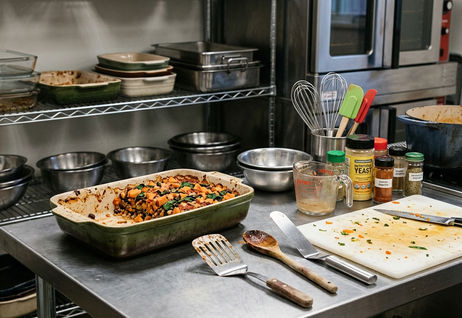
These dinners deliver fast nutrient density without the heavier structure of a casserole or patty. They rely on quick-cooking ingredients and smart flavor pairings.
7. Kale and Mozzarella Omelet
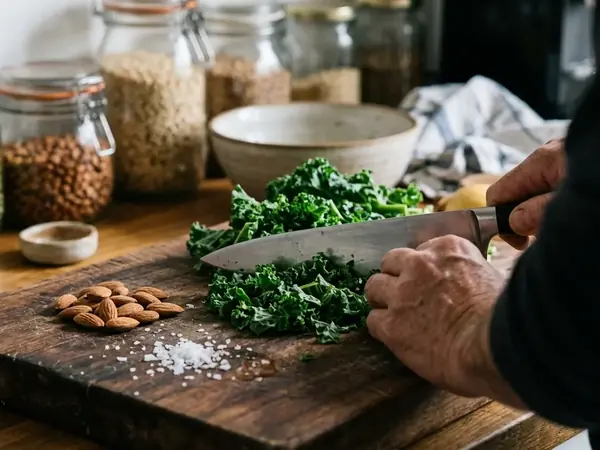
Eggs supply a complete-protein skillet option. Build this omelet from 2 large eggs, 1 packed cup of finely chopped kale, and 1 ounce of mozzarella. Cooking over medium-low heat for 6 to 9 minutes prevents the greens from scorching before the egg sets. Eggs contribute highly bioavailable protein and naturally contain vitamin B12, riboflavin, selenium, choline, and Vitamin D, making them useful in vegetarian dinners where those nutrients may otherwise require planning.
8. Cruciferous Veggie Crepes
You can replace traditional flour in crepe batter by using 1/3 to 1/2 cup of finely crushed Breton Gluten Free cracker crumbs. Resting the batter for 5 to 10 minutes helps the crumbs hydrate and hold the crepe together. Fill them with zucchini ribbons cut with a vegetable peeler. These ribbons cook in 90 seconds to 3 minutes, which keeps them pliable enough for folding into crepes without becoming watery.
9. Shaved Butternut & Lacinato Kale Salad
Use the neck of the squash and shave 6 to 8 ounces with a Y-peeler over bib lettuce. The thinner pieces soften after 7 to 10 minutes in an apple cider vinaigrette. Fat-soluble vitamins A and K require oil for absorption, making the vinaigrette both a flavor enhancer and a nutritional necessity.
Important: While farro makes an excellent, chewy base for these types of salads, it is a wheat grain and contains gluten. That specific pairing needs a swap such as quinoa, brown rice, or buckwheat for gluten-free diners.
Making Weeknight Cooking Sustainable
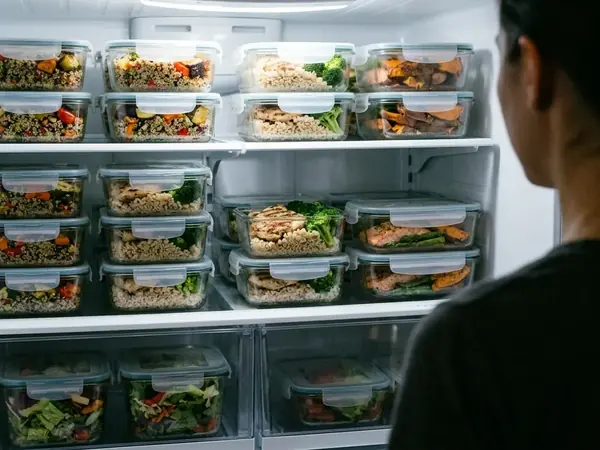
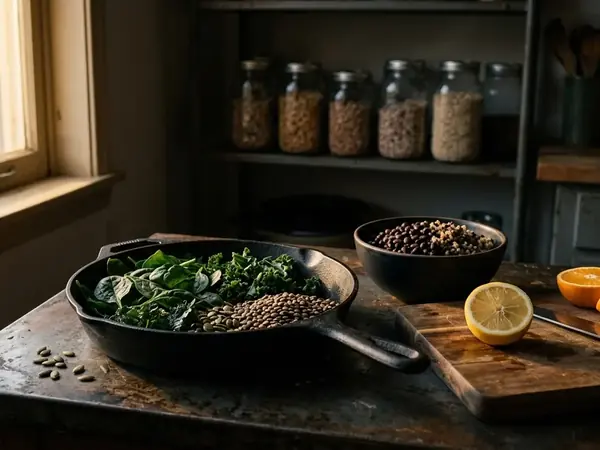
Relying on pantry staples reduces weeknight stress. Keeping canned fish, cooked grains, shelf-stable vegetable pouches, beans, tahini, seeds, and freezer-friendly proteins on hand makes dinner predictable. A low-stress plant-forward pantry can be maintained with 2 to 3 canned proteins or legumes, 1 to 2 whole grains, 2 seed or nut binders, 1 acid such as vinegar or lemon juice, and 3 to 5 shelf-stable or frozen vegetables.
Cooked farro keeps best for 3 to 4 days refrigerated in a shallow airtight container. You can cook it once and use it in salads, skillets, and grain bowls across the workweek. Unopened canned salmon and shelf-stable vegetable pouches are useful pantry backups when purchased with 12 to 24 months of remaining date life, reducing the need for a same-day grocery trip.
Megan, an instructor at Sculpt360, relies on these exact pantry backups between her evening classes. Similarly, the mobile technicians at Manicures N Motion use these prep-ahead strategies to ensure they have nutrient-dense meals ready after long days on the road. Finding a rhythm that fits your schedule is the key to long-term success.
To stay inspired, participate in community cooking challenges like RecipeRedux. A 4 to 6 week community cooking challenge cycle is long enough to test several recipe formats while short enough to keep weeknight cooks from losing momentum. Through local wellness hubs, WhyFoodWorks continues to see that shared culinary goals keep individuals engaged and excited about plant-based eating.
Bottom Line: Build a reliable pantry inventory and master three to four low-intervention cooking methods. Consistency in your kitchen setup will always outperform complex meal plans.