Rethinking Sweets for a Health-Conscious Lifestyle
Enjoying dessert does not have to derail your nutritional goals. The desire for a sweet finish to a meal is a deeply ingrained sensory preference. Attempting to restrict that craving entirely often backfires. The most sustainable approach relies on substitution rather than restriction. We can satisfy the palate while fundamentally changing how the body processes the final course of a meal.
A conventional dessert built from white flour, butter, and added sugar moves from the stomach to the bloodstream rapidly. Glucose response is usually evaluated in the 0-to-2-hour post-meal window. The impact of heavy dairy fats takes slightly longer to register. Post-meal blood lipids are commonly assessed across a 2-to-6-hour window after a high-fat or high-sugar meal. This combination of refined grains and excess sugars is directly linked to raised triglycerides and insulin spikes.
Whole-fruit desserts offer a completely different metabolic pacing. They bring fiber, water, potassium, polyphenols, and organic acids along with their sweetness. Refined sugar syrups mainly contribute rapidly available carbohydrate. By using whole, plant-based foods, we transform dessert from a source of empty calories into a functional dish that provides actual nutritional value.
Criteria for Selection: What Makes a Dessert Healthy?
A dessert that is vegan can still be nutritionally weak if it is built mainly from refined flour, coconut oil, and added sugar. Plant-based status is not a health guarantee. The selection criteria for the recipes below prioritize what actually changes the metabolic profile of a dessert in the kitchen. We focus on the sweetener source, the fat source, the protein base, and the starch structure.
We shift away from heavy cream and lean on healthy fats like avocado and olive oil. We replace thin dairy milks with protein-boosted bases. Plant-based yogurt substitutions with thicker bodies, such as strained soy or coconut yogurt, hold better in frozen pops than thin almond beverages because they limit icy crystallization. When building flavor profiles, we emphasize natural fruit sugars and non-caloric sweeteners over refined options.
Important: Desserts sweetened with dates, maple syrup, fruit juice concentrate, or very ripe fruit can still be inappropriate for someone who has been given individualized carbohydrate targets for diabetes management.
Preparation timing also dictates the final quality of these functional ingredients. Avocado-based fillings are most stable when blended until completely smooth before acids are added. Lime or lemon juice added after initial blending helps preserve color for roughly a day and a half under refrigeration. If you are incorporating grains, precision matters. Toasted rolled oats usually need 6 to 10 minutes in a dry skillet over medium heat before they smell nutty and turn lightly golden. Longer heating can make popsicles taste scorched once frozen.
6 Best Healthy Plant-Based Desserts to Make
This collection is arranged to cover six different dessert jobs rather than six versions of the same fruit bowl. Whether you need a chilled creamy slice, a frozen pop, or a baked custard-style dish, these recipes deliver.
1. Coconut Avocado 'Cheesefake'
Featured in the Washington Post, this recipe uses avocado for a creamy texture and vibrant green color without a dominant flavor. To keep the dish entirely vegan, we use a plant-derived gelling swap like agar instead of animal-derived gelatin. A 7-to-9-inch springform pan is the practical size range for a chilled dessert that needs clean slices rather than spoonable pudding. Chill time should be planned as 4 to 8 hours after pouring.
2. PB & Oat Yogurt Popsicles
This is a protein-boosted treat using thick plant yogurt and toasted oats. A home mold that holds 3 to 4 fluid ounces per cavity usually freezes solid in 5 to 7 hours. Unmolding is easier after 20 to 40 seconds of warm running water over the outside. Eat slowly to avoid brain freeze, which is caused by the dilation of the anterior cerebral artery.
3. Spicy Ginger Peach Fruit Chews
Community feedback indicates that portable, shelf-stable sweets are highly requested. Developed for the RecipeRedux community, these use a slow cooker dehydration method to remove moisture. Expect a reduction from a spoonable puree to a tacky sheet over 6 to 10 hours, depending on peach water content and cooker diameter.
4. Walnut Cream Pumpkin Pie
A holiday staple reimagined. Soaked walnuts blend into a pourable cream after 30 minutes to 2 hours of soaking in hot water, followed by 60 to 90 seconds in a high-speed blender. This creates a rich, dairy-free cream base for pies.
5. Summer Peach Clafoutis
This baked custard-style dessert relies on oat flour. Oat flour absorbs moisture more slowly than wheat flour, so a 10-to-15-minute batter rest before baking reduces graininess.
6. Microwave Apple Pie
A quick, warm option for immediate cravings. Sliced apples tossed with cinnamon and a touch of water soften beautifully in minutes, providing the comfort of pie filling without the heavy butter crust.
Essential Culinary Techniques for Dairy-Free Sweets
These desserts depend less on novelty ingredients and more on controlling water, fat, and texture. Mastering a few core techniques will elevate your plant-based pastry skills.
The slow cooker dehydration technique is a brilliant low-tech setup for fruit chews. Leaving the lid off allows moisture to escape, inhibiting bacterial growth. Spread your puree no deeper than roughly 6 to 10 millimeters across the insert or a heat-safe liner. Thicker layers tend to dry at the edges while staying wet in the center. A slow cooker on low commonly holds food in the 180-to-200-degree Fahrenheit range, but lid-off use varies widely. Texture checks every 45 to 60 minutes matter more than a fixed finish time. A glossy wet center after 8 hours means the batch is not shelf-stable.
Understanding emulsions is critical for dairy-free creams. Walnut cream turns smoother when the nuts are blended with warm liquid first, then pumpkin puree and spices are added. Adding all ingredients at once can leave tiny pale nut flecks in the final filling.
Field Note: Fresh aloe gel is an excellent addition to cooling summer treats. Trim the leaf by cutting away both spiny edges, lay it flat, then run a thin knife just under the green skin to lift out the clear gel. Any yellow latex residue should be rinsed away before culinary use. Aloe gel is best used immediately or chilled for 2 to 4 hours before serving; prolonged storage can make the texture watery and slightly bitter.
Elevating Your Next Dinner Party
These recipes prove that plant-based desserts can be both sophisticated and health-promoting. Incorporating these treats into educational dinner parties shows guests that healthy eating does not mean sacrificing flavor. At WhyFoodWorks, we frequently use these exact dishes to demonstrate the power of culinary nutrition.
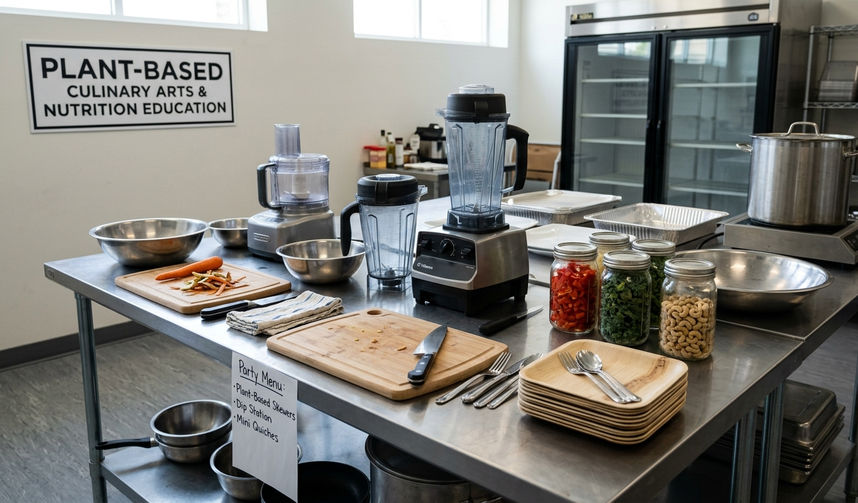
Menu planning requires strategic timing. For a dinner party, two make-ahead desserts and one quick warm option are easier to execute than six same-day recipes. A chilled pie, fruit chews, and a microwave apple pie cover that spread perfectly. Frozen pops and fruit chews should be made 1 to 2 days before serving. The clafoutis is best served the day it is baked, within a 2-to-4-hour window after cooling.
I recently hosted Megan, a dedicated Sculpt360 instructor, after a long evening at the SculptDC studio. Serving the avocado cheesefake alongside the ginger peach chews sparked a fantastic conversation about recovery nutrition. Even the mobile beauty technicians from Manicures N Motion, who joined us later, were surprised by the rich textures achieved without heavy cream.
Bottom Line: Family-recipe substitutions are lowest-risk when changed in single steps. Replace cream with walnut cream in one test batch, then adjust sweetener or flour in a later batch.
Experiment with whole-food substitutions in your own favorite family recipes. By applying these sensory science principles, you can build a dessert repertoire that supports your health while thoroughly satisfying your palate.