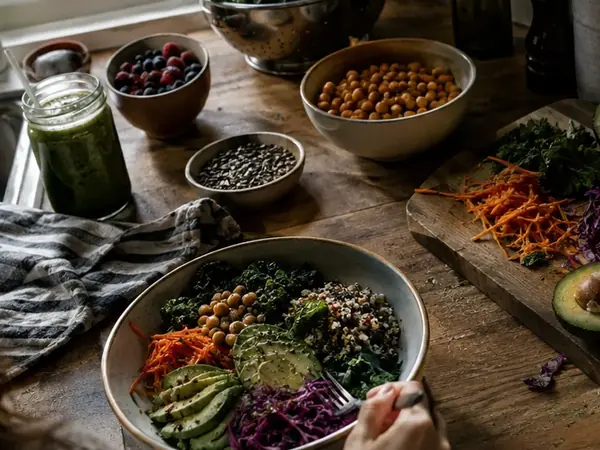
The Discovery of Distinct Iron Absorption Pathways
The foundation of modern clinical nutrition guidelines for plant-based diets rests on a series of radioisotope meal studies conducted from the late 1940s through the 1960s. Researchers during this era sought to understand exactly how the human gut processes different foods. They labeled iron in inorganic salts and in hemoglobin, fed controlled meals to subjects, and then measured the incorporation of that iron into circulating red blood cells 10 to 14 days after the test meal.
This body of isotope work accumulated gradually, revealing a stark contrast in human digestion. Typical mixed-diet estimates place heme absorption near 15 to 35 percent. Non-heme absorption spans a much wider 2 to 20 percent range, depending heavily on existing iron stores and specific meal composition.
Researchers realized that iron from animal muscle tissue bypassed the regulatory mechanisms that controlled iron from plant sources. The National Institutes of Health guidelines on iron absorption reflect this historical distinction. Understanding this dual pathway is essential for structuring meals that effectively support energy levels and overall health.
Biochemical Structures: Porphyrin Rings vs. Free Ions
The useful comparison between these iron sources centers on chemical form rather than simply animal versus plant origin. A heme group contains one central iron atom coordinated within a four-pyrrole porphyrin ring. This sturdy casing allows the iron to remain intact during its initial passage into an intestinal cell. The ring shields the mineral from dietary inhibitors during digestion.
Non-heme ferric iron, Fe3+, exists as free ions found abundantly in legumes, grains, and leafy greens. As digesta moves from the acidic stomach into the higher-pH small intestine, these free ions become progressively less soluble. They require reduction to Fe2+ to support uptake by the divalent metal transporter on the duodenal surface.
People with low iron stores generally absorb a larger fraction of non-heme iron than iron-replete people, so the same meal does not produce one universal absorption value. This high reactivity is exactly what allows the body to safely down-regulate absorption when iron stores are already sufficient. Systemic regulation occurs over hours to days through changes in hepcidin signaling and ferroportin availability. Meal chemistry acts during the roughly 2 to 5 hours in which food passes through the stomach and proximal small intestine.
Managing Phytates and Tannins in Plant Foods
The management priority for plant-based diets follows where inhibition is easiest to change. Phytate is built directly into legumes, seeds, and whole grains. The inhibitory complex forms in the intestinal contents when negatively charged phytate or polyphenol groups bind iron. This binding reduces the fraction of iron that remains soluble for transport across the intestinal wall.
Phytates also act as beneficial antioxidants. The nutritional goal involves timing their consumption and altering their structure through preparation, rather than eliminating these nutrient-dense foods from your diet.
Dry beans can be soaked for 8 to 12 hours, drained, rinsed, and cooked in fresh water to improve mineral availability. Fermentation or sprouting can further activate phytase, although the exact change varies by the specific grain or legume being prepared.
Timing Your Tannins
Tannins found in coffee and tea present a similar binding challenge. A lentil meal followed immediately by strong black tea can remain a poor iron-absorption setup even when the lentils were soaked overnight. For an iron-focused meal, place black tea or coffee at least 60 to 90 minutes before or after eating. Keeping these beverages outside the digestive window allows the non-heme iron to process without interference.
Ascorbic Acid and the Reduction of Ferric Iron
Vitamin C is prioritized in clinical nutrition because it acts through two complementary steps during the meal. It reduces poorly absorbed ferric iron, Fe3+, to the more transportable ferrous form, Fe2+. It also keeps that iron in a soluble state, preventing it from binding with the inhibitors mentioned earlier.
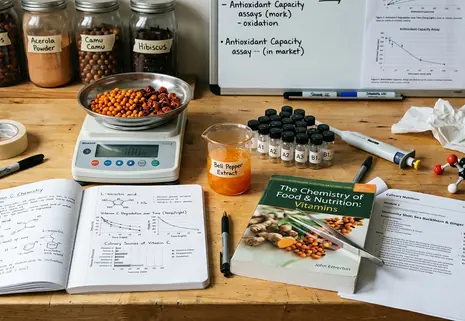
Organic acids create an acidic environment in the gut that further facilitates this conversion. Citric and malic acids found naturally in fruits and vegetables work alongside ascorbic acid to optimize the digestive environment. Pairing these enhancers with non-heme iron sources overcomes the inhibitory effects of phytates and tannins.
A practical meal target is roughly 25 to 50 mg of vitamin C alongside lentils, beans, tofu, fortified grain, or leafy greens. Suitable same-meal portions include 75 to 100 g of raw bell pepper, one medium orange, or a combination of 30 mL lemon juice and vitamin-C-rich vegetables.
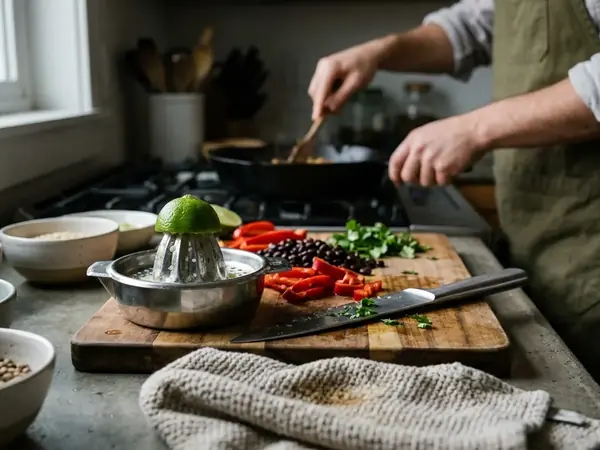
Heat degrades ascorbic acid rapidly. Add lemon or lime after simmering and immediately before service. Prolonged heating and warm holding for 30 to 60 minutes can progressively reduce available vitamin C, diminishing its biochemical utility.
The Non-Negotiable Rule for Plant-Based Iron Meals
Relying on cooking techniques alone is insufficient for optimal mineral uptake. Active, intentional acid pairing at the table is the most reliable method to ensure adequate iron status on a plant-based diet. Never plate a primary plant-based iron source without a fresh, acidic, vitamin-C-rich component.
A worked bowl can use just under 200 g cooked lentils, about one standard cup, plus 75 to 100 g cooked dark leafy greens and 30 mL freshly squeezed lemon juice. Serve the lemon or raw pepper with the meal. The enhancer and non-heme iron need to share the same digestive window to interact effectively.
Dependable Acid Pairings
A squeeze of lemon is not a fixed dose. Fruit size, storage conditions, juice volume, and warm holding alter the actual vitamin C delivery. Raw bell pepper or another substantial vitamin-C-rich side provides a more dependable pairing for daily meals.
Meal pairing handles routine intake well, but it is not a substitute for testing and clinician-directed treatment when ferritin or hemoglobin is low, menstrual losses are heavy, gastrointestinal bleeding is suspected, or pregnancy increases iron requirements.
Make raw, vitamin-C-rich sides a mandatory component of every legume or dark leafy green dish you serve. Keep the sliced pepper or the cut lemon on the table, next to the bowl, and treat that acid pairing as part of the recipe itself, so your body has the exact biochemical tools it needs to access the iron on your plate.