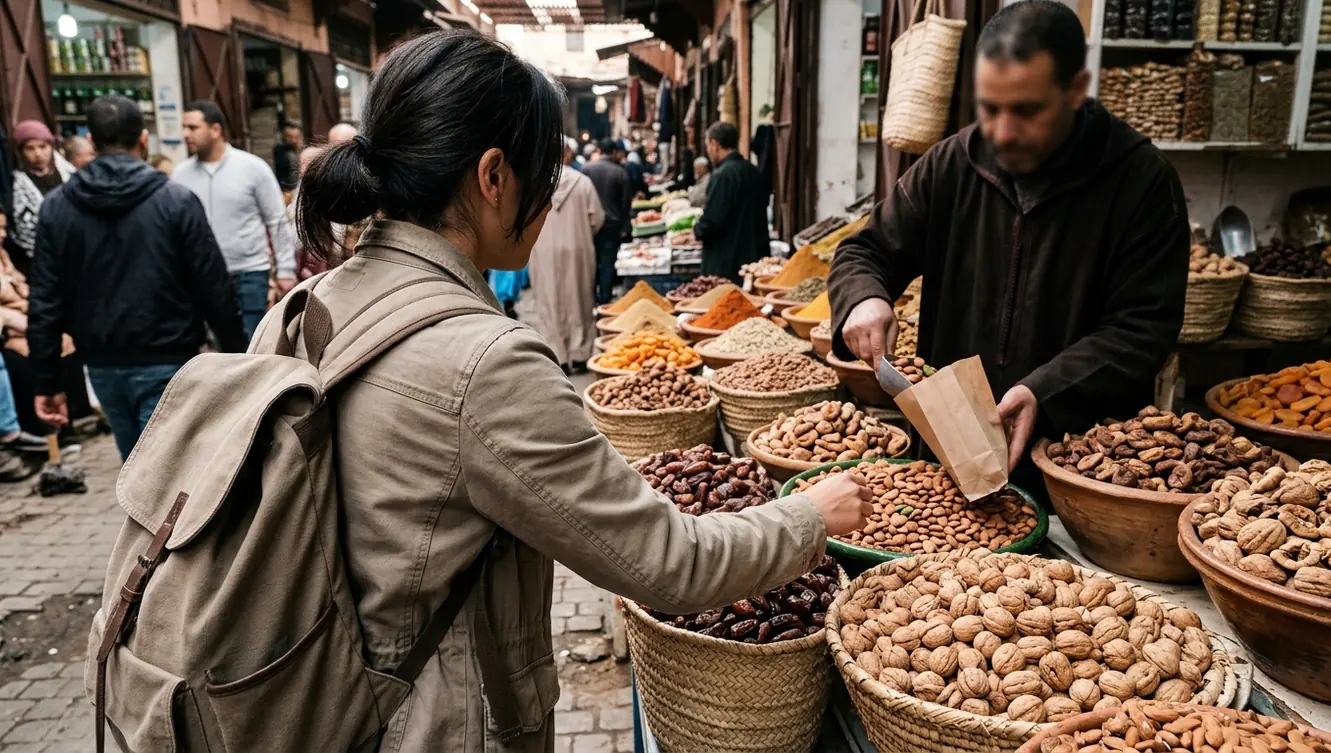
The Challenge of Maintaining Nutrition on the Road
Vacation eating often derails because we treat it as a single, continuous event. Breaking the journey down into three distinct decision points reveals a clearer path. Transit creates limited food access, destination meals create choice overload, and retreat recovery demands specific nutrient timing—each presenting a unique failure mode.
For a typical travel day involving a 2- to 4-hour airport window plus a 2- to 6-hour flight or drive segment, the practical nutrition gap is usually the 4- to 8-hour stretch between a normal meal and the next reliable balanced meal, based on family travel testing. Relying on airport or roadside food during a delayed 6-hour travel segment often leads to low-fiber, high-salt meals followed by irritability and dehydration.
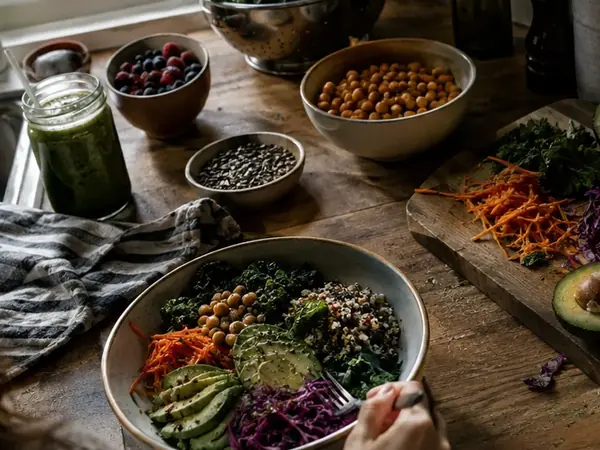
A workable vacation plate target simplifies the process. Aim for one protein-rich item, one fiber-rich carbohydrate, one fruit or vegetable, and one enjoyable local extra at most sit-down meals.
How Do You Prevent Travel Hanger and Dehydration?
Long-term experience revealed that a breakfast-only approach fails during demanding travel. On a 2013 Colorado ski-resort trip, the food plan had to account for altitude, cold exposure, and repeated activity blocks. A morning lift session followed by an afternoon snow activity required sustained energy.
The snack strategy starts with the longest stretch when food quality is least controllable. Security lines, boarding delays, highway exits, and late arrivals test your resilience. Pack one snack unit for every 3 to 4 hours of door-to-door transit. For a 9-hour travel day, that means 2 to 3 snack units rather than relying on terminal food.
You can prevent travel hanger by prioritizing high-fiber and high-protein snack choices. Good snack units include roasted chickpeas plus dried fruit, nut butter packets with whole-grain crackers, trail mix with unsweetened nuts, or a protein bar with at least 5 grams of fiber and 8 to 15 grams of protein.
Field Note: A collapsible water bottle of roughly 0.7 liters gives enough volume for a meaningful refill after security while taking far less fixed space than a rigid bottle once empty. Empty it before screening and refill it immediately after.
The familiar sitcom joke about a sandwich costing more once it crosses the terminal boundary highlights a real issue. The practical response is to pack food before the controlled-price environment begins.
How Can You Find Balanced Traditional Meals Abroad?
Choosing restaurants only by online popularity can push travelers toward oversized tourist plates. The simpler local lunch counter often has the better balance of beans, vegetables, starch, and protein. The destination-meal decision uses the local staple first because traditional plates evolved around affordable protein, starch, and produce rather than novelty portions for visitors.
During a 5-night stay in Monteverde, Costa Rica, local hosts Andres and Jose pointed guests toward everyday dining spots rather than high-traffic tourist strips. A Costa Rican casado is highly useful here. The plate normally combines beans, rice, plantain, a protein such as fish, chicken, eggs, or a vegetarian preparation, plus a small salad or cooked vegetable.
When scanning a menu abroad, look for specific cues. Words equivalent to local, traditional, daily plate, set lunch, or house meal often signal a simpler whole-food plate rather than a fried sampler. For domestic travel, the same logic transfers to historic public markets. In Seattle, a waterfront market visit can turn breakfast or lunch into fruit, bread, nuts, pickled vegetables, and prepared salads instead of a default fast-food stop.
Important: Traditional does not automatically mean light. Some regional plates are fried, heavily salted, or portioned for labor-intensive workdays, so the vegetable and bean components still need to guide your order.
What Should You Eat for Active Retreat Recovery?
Context-dependent variation dictates your recovery needs. A beach weekend with short walks needs lighter recovery meals than a cold-weather yoga retreat with plunges, hikes, and multiple daily movement sessions. For an active retreat, the food decision is based on recovery timing.
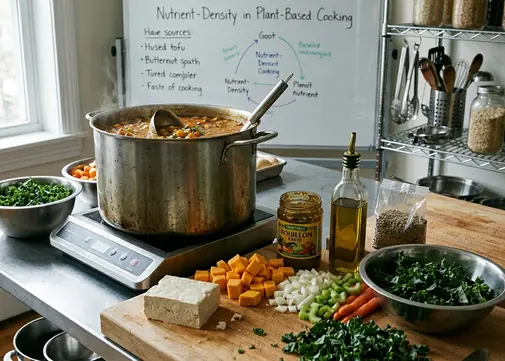
After a high-output Rocket-style yoga session or cold-water plunge, a practical recovery window is the first 30 to 90 minutes. Warm fluids and digestible carbohydrates are easiest to tolerate during this phase. Cold-water immersion can acutely raise heart rate and blood pressure. The recovery meal should emphasize warming broth, carbohydrates, and spices rather than alcohol immediately afterward.
A curried cauliflower soup provides excellent nourishment. You can build it from cauliflower, onion, garlic, vegetable broth, turmeric, ginger, and coconut milk or cashews. Puree the mixture for a thick texture without cream. Turmeric is chosen for its yellow color, earthy bitterness, and compatibility with ginger and black pepper.
Alternatively, a southwest corn chowder combines corn, potato, poblano or bell pepper, onion, broth, beans, smoked paprika, and lime. Blending roughly a third of the pot thickens the soup while leaving visible kernels and vegetables. Smoked paprika is used when the goal is a roasted, campfire-like flavor without bacon or smoked meat.
How Do You Balance Indulgence on Weekend Trips?
The weekend-trip model starts with the first group meal. That meal determines whether the day becomes reactive snacking or steady eating. For a 2-night weekend trip, one planned group breakfast and one flexible local tasting window is enough structure to prevent grazing without over-scheduling the trip.
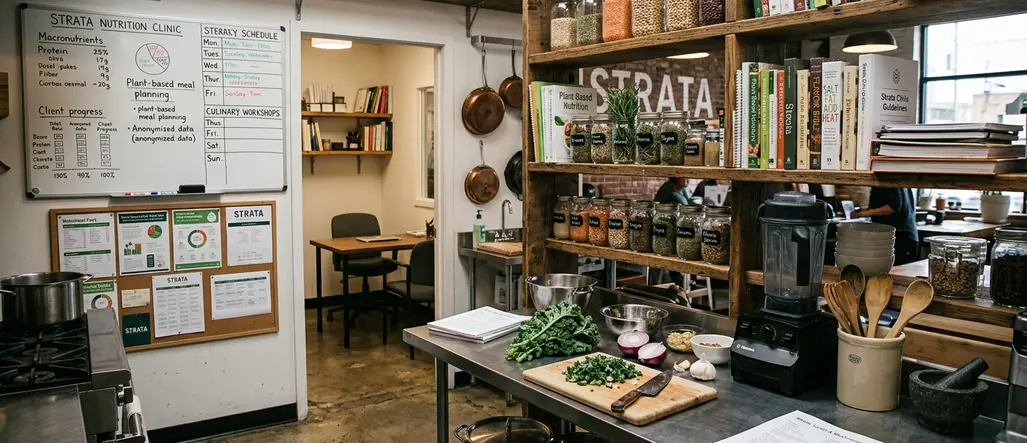
During a March 2016 girls' weekend in Virginia, a baked egg strata anchored the morning. A hearty strata can be assembled with cubed bread, eggs, milk or an unsweetened plant-based alternative, sautéed greens, onions, mushrooms, and cheese or a dairy-free substitute. Bake it in a 9-by-13-inch pan to easily feed a group before a day of activities.
The Virginia weekend included a local red-blend tasting at a farm vineyard. This fits the balance model because tasting the Adonis red wine blend was treated as the local specialty rather than paired with all-day drinking.
Non-food enjoyment mattered just as much. Photographing the meal with a DSLR, spending time with a resident dog, and buying wool from a sheep on the property created trip memories without requiring more dessert, snacks, or drinks.
Key Takeaways for Your Next Journey
The most effective travel nutrition strategies focus on what you can control before, during, and after the trip. Before departure, the controllable items are snacks and water capacity. During the trip, the controllable element is seeking out balanced local meals.
Before leaving, pack 2 to 3 shelf-stable snacks for a full travel day. Bring one empty collapsible bottle of around 0.7 liters and at least one produce item that tolerates bruising, such as an apple or clementines. At the destination, look for one balanced traditional plate per day rather than trying to make every meal perfect. For active trips, plan one warm recovery meal within 30 to 90 minutes after the hardest activity block.
Bottom Line: Embrace a flexible mindset. Prepare your transit nutrition meticulously, lean on traditional whole-food plates at your destination, and allow yourself mindful indulgences that enhance the travel experience.
Healthy Vacation Eating Field Checklist
- Before transit: pack one high-fiber, high-protein snack unit per 3 to 4 hours of door-to-door travel.
- Before security: empty the collapsible bottle (around 0.7 liters); refill it immediately after screening.
- At the destination: identify one local, traditional daily plate to anchor your daily nutrition.
- Post-activity: consume a warm, carbohydrate-rich recovery meal within 90 minutes of intense exertion or cold exposure.