Introduction
Fitness and food operate as one daily system. You cannot optimize one while ignoring the other. I often see individuals treat their workout as an isolated hour, disconnected from the meals that surround it. We need to view the daily planning horizon from morning wake time through the next sleep period.
First, identify when movement happens. Then, place your carbohydrate, protein, fluid, and recovery foods around that schedule.
For most moderate sessions lasting 35 to 75 minutes, the practical nutrition decisions are straightforward. You need a pre-workout meal 30 to 90 minutes before exercise, fluid access during the session, and a recovery meal or snack within 30 to 60 minutes afterward. Environmental adaptation must also be decided before training starts. Indoor strength sessions require a floor space of roughly 6 by 8 feet. Outdoor sessions in cold or wet weather demand a clothing and exit plan before you ever increase your intensity.
At WhyFoodWorks, we build sustainable routines by addressing these variables systematically.
How Do You Fuel Before a Workout?
Caffeine changes your perceived effort before food has fully digested. A practical caffeine range for many healthy adults is 1 to 3 mg per kilogram of body weight, taken 30 to 60 minutes before training. A smaller person may reach that range with one modest coffee. A larger athlete may need more than one serving.
A coffee-banana smoothie can improve alertness for a morning lifter, yet it may backfire for someone training at 7 p.m. who is sensitive to caffeine.

For workouts under 45 minutes at a conversational to moderate intensity, eating a banana plus coffee 30 to 45 minutes before training is usually more practical than consuming a full meal. When you need slightly more fuel, a mocha-banana smoothie pairs fast carbohydrates with liquid hydration.
The Mocha-Banana Build
- 180 to 240 mL chilled coffee
- 1 medium ripe banana
- 120 to 180 mL milk or fortified soy beverage
- 1 tablespoon cocoa powder
- Ice
Blend the mixture for 30 to 45 seconds until the banana is fully dispersed.
Field Note: If you are performing two distinct exercise sessions in one day, nutrient timing tightens. Place 30 to 60 g of carbohydrate plus 10 to 25 g of protein between sessions when the gap is 2 to 5 hours. When the gap is under 90 minutes, favor liquids or soft foods rather than dense fats or high-fiber meals.
How Do You Maximize the 30-Minute Recovery Window?
The 30-minute recovery window is a prioritization tool rather than a magic cutoff. After hard or repeated training, your muscles are primed to replace glycogen. Use the first 30 minutes after hard training to start refueling when your next workout is within the same day or the following morning.
A recovery target after demanding endurance or circuit work is 0.8 to 1.2 g of carbohydrate per kilogram of body weight, plus 0.25 to 0.4 g of protein per kilogram of body weight in the first post-workout meal or drink.
Fluid dynamics matter here. Low-fat milk or a fortified soy beverage with 0 to 2 g of fat per 240 mL serving generally moves faster through the digestive tract than a high-fat shake made with nut butter, cream, or coconut milk. You can assemble a rapid chocolate recovery drink with 240 to 355 mL of low-fat milk or fortified soy beverage plus 1 to 2 tablespoons of dark chocolate syrup.
Context dictates the dose. A low-fat chocolate recovery drink may be useful after a 90-minute run, but it is excessive after a relaxed 20-minute mobility session.
For athletes tackling eccentric-heavy sessions, downhill running, or obstacle-style training, tart cherry juice offers targeted support. Common food-based intake is 240 to 355 mL of tart cherry juice or a comparable concentrate serving in the evening for 3 to 7 days around the hardest session.
How Should You Distribute Daily Protein?
Many people eat toast or a light salad early in the day and then try to meet nearly all their protein needs at dinner. This habit of protein backloading creates physiological friction.
Spreading protein evenly is the better approach. A practical daily pattern is 20 to 35 g of protein at breakfast, 20 to 35 g at lunch, and 25 to 40 g at dinner. You can adjust these targets upward for larger bodies or heavy training blocks.
Poor protein distribution leads directly to the hangry state. This pattern often appears 3 to 5 hours after a low-protein, low-fiber meal, especially when caffeine is used without enough carbohydrate.
For plant-forward meals, combine legumes, soy foods, seitan, high-protein grains, seeds, or fortified protein powders. Ensure each meal reaches a meaningful protein dose rather than relying on vegetables alone. Powdered defatted peanut products digest more lightly than whole nut butter because much of the peanut oil has been removed. You can stir these into oats, smoothies, yogurt-style bowls, or sauces in 2-tablespoon portions.
How Can You Adapt Your Training Environment?
Long-term experience revealed that moving from controlled to uncontrolled settings helps individuals choose baseline movements safely. We start with home circuits, progress to outdoor parcourses, and finally integrate studio classes.
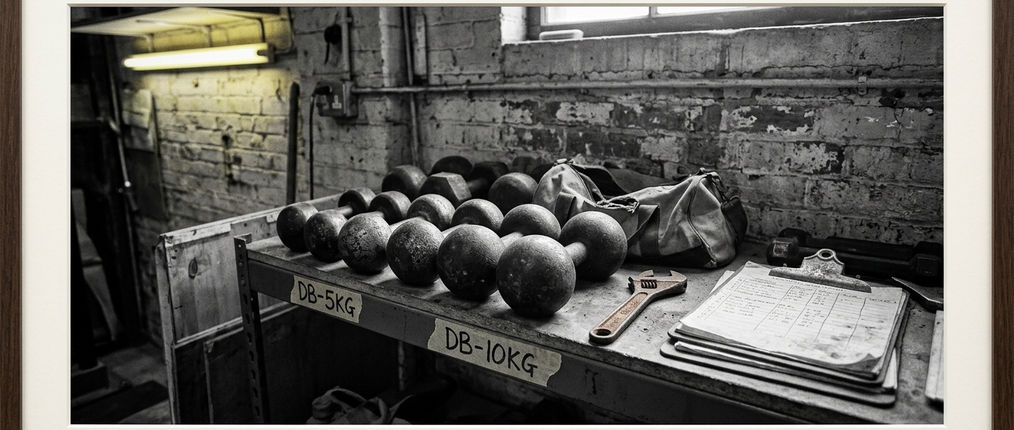
A home circuit setup requires minimal gear: adjustable dumbbells, one mat, water, and a timer. Use 6 to 10 exercises in 30 to 45-second work blocks with 15 to 30 seconds of transition time. If you follow a strength DVD or streaming circuit, structure it as 35 to 50 minutes total. Dedicate 5 to 8 minutes to a warm-up, 22 to 34 minutes to resistance work, and 5 to 8 minutes to a cooldown.
Home adjustable dumbbells solve scheduling problems but do not replace coaching when a movement repeatedly causes joint pain.
When you move to an outdoor parcourse, biomechanics require strict attention. For modified pull-ups, set the bar height so your heels can stay on the ground. Adjust your body angle between roughly 30 and 60 degrees from vertical. Limit traveling push-ups to 3 to 6 lateral steps per direction per set until your shoulder control stays even on both sides.
A Sculpt360 instructor like Megan will quickly correct poor form during tricep dips. Keep your elbows stacked over your wrists, pull your shoulders down and back, and bend the elbows only to the range where the front of the shoulder remains comfortable.
What Are the Limitations of Extreme Training?
Nutrition planning cannot offset unsafe environmental exposure. When you transition from a controlled studio like SculptDC to an outdoor obstacle race, the medical risks escalate rapidly.
Hypothermia is the primary concern. The risk rises sharply when wet clothing, wind, and air temperatures below 10°C combine with prolonged exposure or stalled movement. Field warning signs include intense shivering that later weakens, slurred speech, clumsy hands, stumbling, confusion, unusual fatigue, and slow or shallow breathing.
Important: Extreme obstacle training should be treated as a separate risk category from normal gym or home workouts when cold water, wind, mud, altitude, or multi-hour exposure is involved.
A safe race-day kit for cold obstacle conditions must include dry layers accessible within 10 to 20 minutes of finishing, insulated transport clothing, and warm fluids if the athlete is alert and able to swallow. You must have a plan to leave the course if confusion or loss of coordination appears. Medical evaluation is urgent when altered mental status, persistent shivering, loss of dexterity, or drowsiness appears after cold-water exposure. Familiarize yourself with the hypothermia diagnostic criteria before registering for winter events.
How Do You Safely Push Limits and Reward Yourself?
Advanced physical challenges require a framework for failing safely. Reckless escalation leads to injury.
If you are attempting advanced yoga shapes such as hollow-back variations or double-crow transitions, use a spotter within arm's reach and a padded surface. Execute 3 to 5 low-risk rehearsal attempts before committing to a full hold. Stop an inversion or arm-balance attempt immediately when wrist pain, neck pressure, breath-holding, or uncontrolled shaking appears for more than 2 to 3 seconds.
Recovery should be enjoyable. A microwave cheesecake serves as an excellent, protein-dense reward.
Microwave Cheesecake Method
- Combine 170 to 200 g of plain 2-percent Greek-style yogurt or thick soy yogurt with 1 egg (or a plant-based setting alternative).
- Add 1 to 2 tablespoons of powdered defatted peanut product, sweetener to taste, and a splash of vanilla.
- Microwave the mixture in 20 to 30-second bursts until the center changes from liquid to softly gelled.
Bottom Line: Let the cheesecake rest for 3 to 5 minutes after heating. The carryover heat firms the center and reduces the risk of a rubbery edge, providing a perfect finish to a demanding training day.